AI programmers ‘should sign Hippocratic oath’
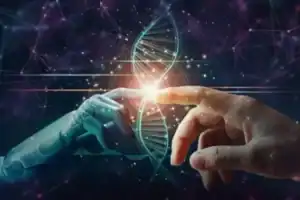
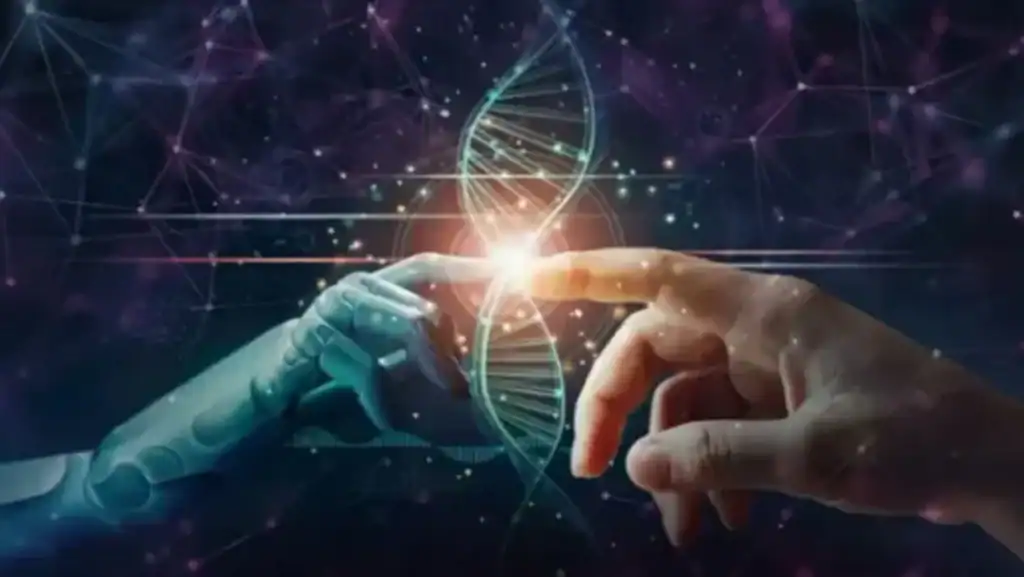
The Times reports that academics at the University of Oxford have drawn up a new version of the Hippocratic oath, for engineers, designers and programmers working in the world of AI. The idea has come from the Ven Dr Lyndon Drake, who has a doctorate in AI, after academics were approached by AI engineers who wanted some ethical guidance.
Doctors take the Hippocratic oath, a comprehensive ethical guide to serve humanity and do no harm. The report says that the “Oxford Oath for AI Professionals” requires the professionals – “in the light of truth and my conscience” or “in the presence of God” – to “acknowledge the social consequences and impact of building powerful tools that can operate independently of human intervention”.
Dr Drake is quoted syaing that laws and regulations may be needed, but the oath encourages a sense of personal responsibility. However, the article points to recent reminders that AI has a mind of its own, hacking into a company that designed a test it was running, and hacking into a gym booking system to secure a slot. AI is not, as yet, required to take an oath. Report by Kaya Burgess in The Times here.
Florence Eshalomi is the new Faith Minister
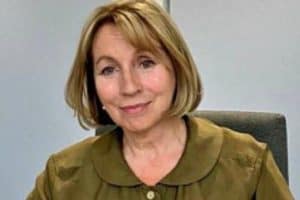
The new Faith Minister is Florence Eshalomi, MP for Vauxhall and Camberwell Green, a Catholic who is a member of Christians in Parliament and chair of Friends of CAFOD. She was named as a minster in the Ministry of Housing, Communities and Local Government in July, but her portfolio and appointment as Faith Minister was only confirmed this week.
Her core responsibilities are: faith community engagement, social cohesion, integration, anti-extremism, and elections policy, alongside homelessness and rough sleeping. She becomes the eleventh faith minister and follows Lord Lemos who served for just 22 days in the role. Premier Christian News story here.
Children’s Commissioner calls for reform of Prevent programme
The Children’s Commissioner, Dame Rachel de Souza, has called for reform of the anti-extremism programme Prevent and a new safeguarding approach for children at risk of violence, exploitation or radicalisation, after statistics show most children reported to Prevent are sent back to school with no further action.
Her latest report says referrals of children to Prevent have risen over the past decade from 2,918 to 4,715, but the report says 65 per cent of referrals involving children from schools and colleges were returned to education settings – almost always after receiving no additional support from Prevent. It says they had no specific extremist ideology identified, and referrals without a clear ideology were less likely to progress through Prevent than those with defined ideology.
Dame Rachel recommends that children currently sent to Prevent should be assessed through local safeguarding teams which should include Counter Terrorism Policing, and then directed to the right support. More here.
CofE’s Church Housing Association plans homes on ‘Benefits Street’
The Church of England’s new Church Housing Association is planning to build its first homes for social rent in the grounds of a former vicarage backing onto James Turner Street, known as “Benefits Street” after a Channel 4 documentary series on the people living there. The Times reports that the Association has applied for planning permission for 17 social rent homes on the land, while the remaining vicarage has been turned into a community centre.
In an interview, the CofE’s lead bishop on housing, the Bishop of Chelmsford Guli Francis-Dehqani, described the slow process to build, from identifying suitable land to applying for planning permission. The Church Housing Association took three years to set up and will build and manage social homes for people on low incomes. Telegraph article here.
Catholic baptisms in Ireland ‘fall by 30 per cent in 10 years’
Research by the Irish conservative Catholic think tank The Iona Institute suggests that Catholic baptisms in Ireland have fallen by 30 per cent in 10 years, a fall explained by birth rates declining by around 19 per cent, and the number of children aged 0 – 4 listed as Catholic declining by 12 per cent.
The researchers say that it appears from Census data that almost all mothers of 0-4 years-olds who identify as Catholic are still having their children baptised, indicating that ‘cultural Catholicism’ remains a big factor in Irish life. Dr Tom Finegan, chairman of The Iona Institute, said that given society’s changes, a fall in baptism is not surprising: “Ireland’s fertility rate is now just 1.5, well below the replacement level of 2.1. This should be of concern to everyone, regardless of religious belief”.
Thousands attend European Yoga Festival supported by Sikh Dharma International
Thousands of people from all parts of the world took part in the 50th European Yoga Festival this month in the grounds of a chateau in Domaine de Chalès, France. It was supported by Sikh Dharma International, based in New Mexico, merging Kundalini yoga traditions with sacred Sikh spaces, customs such as the Langar Seva and spiritual practices.
Yoga originated in India’s religious traditions, particularly Hindu traditions, but modern yoga is also practised as a physical and spiritual exercise by people of many faiths. In the grounds, marquees and tents were set up featuring community kirtans, a central temporary Gurdwara, and daily workshops.
British yoga teacher Angad Kaur led 30 minutes of The Archer Pose, a seated yoga position resembling an archer drawing a bow. Another session was Tantric yoga, where the mind, body and soul act together for spiritual insight, and this was promoted by a group from London.
There have been multiple blogs and posts on social media after the event, with several attendees noting the effect of turning off their phones for nine days, experiencing a heightened sense of presence and more authentic conversations.
Gospels in north Pembrokeshire Welsh dialect launched at Eisteddfod
A translation of the four Gospels into the distinctive Welsh dialect spoken in north Pembrokeshire has been launched at the National Eisteddfod. It was completed by the late Rev Lyn Lewis Dafis, a librarian for 25 years and Welsh scholar, who was admitted to the Gorsedd of Bards and later became a priest in the Church in Wales.
He was born in Mynachlog-Ddu, in north Pembrokeshire, which has a dialect and some vocabulary distinct from both northern and southern Welsh. The translation was put online by his family after his death and the Bible Society commissioned an audio recording which was launched on 6 August during the National Eisteddfod in Llantwd, north Pembrokeshire. It can be accessed on the Bible Society’s ap Beibl, Welsh Bible app.