Christians Against Poverty says Budget ‘missed opportunities’
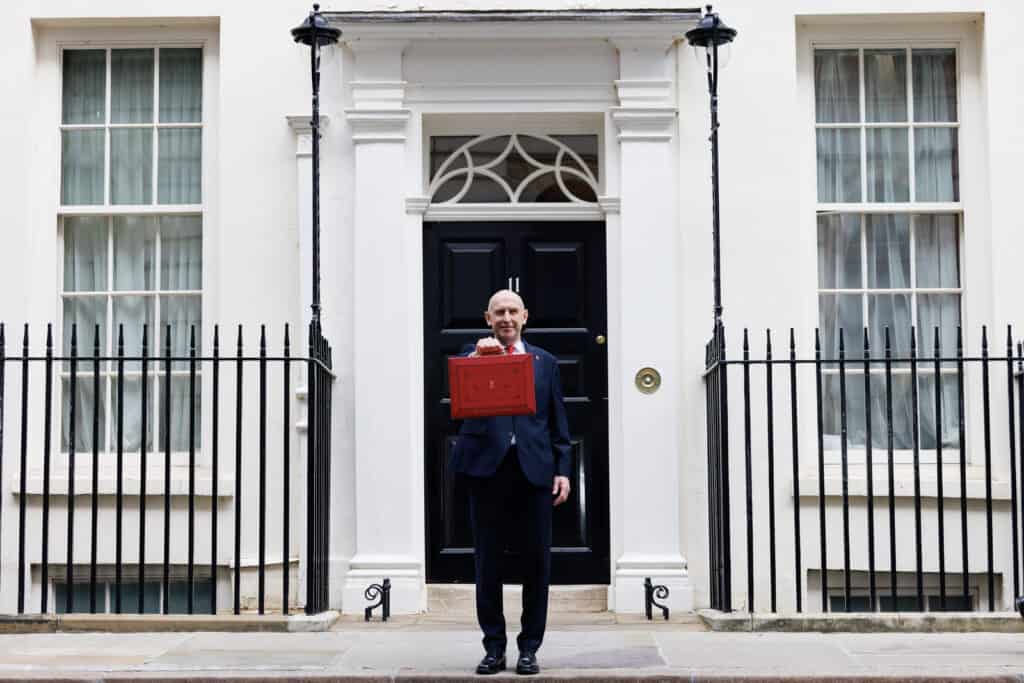
Christians Against Poverty has welcomed the Chancellor’s udgetannouncement to remove standing charges and give a £100 energy payment for those in housing bands A to D, and the extension of the £50 VAT cut on energy bills, but it says this will only amount to half the rise in fuel bills expected in January. It says there were “missed opportunities for targeted support for those struggling the most” and more could have been done such as the restart of the energy debt relief scheme and an increase in the winter fuel payment.
Bishop says budget’s success measured by reduction in poverty
The Bishop of Newcastle, Helen-Ann Hartley, who is the lead bishop for economics and business, said the success of the budget must be measured by the extent to which it reduces poverty, expands opportunity, and upholds the dignity of every single person. Any reduction in gas prices is welcome but further targeted support is needed as heating costs rise. The CofE “applauds” the government’s aim to get rough sleepers off the streets, describing this as a moral mission, and it supports efforts to provide more social and affordable housing. But the Bishop says: “Hunger and hardship remain unacceptable realities in our country today” and difficult decisions lie ahead to tackle the cost of servicing the national debt.
Christianity at risk of ‘losing its roots’ in Taybeh on the West Bank
Taybeh, the last Christian village in the West Bank is “bleeding people” as families flee increasing attacks by illegal Israeli settlers, says its Roman Catholic parish priest, Fr Bashar Fawadleh. He has been visiting London to meet clergy, politicians and others, to tell them his story. In a meeting with journalists, he said that 10 per cent of the 1200 population – comprising 16 Christian families and dozens of individuals, have left Taybeh in the past three years. Residents face attacks on their homes and land, particularly during the olive harvest, and struggle to reach their fields. Fr Fawadleh warned that Christianity risks losing its roots in the village. He called for basic human rights, security and international support for Palestinian communities. Read Catherine Pepinster’s article here.
Fears for Christianity’s survival in conflict zones as persecution increases
Christian persecution has worsened in more than half of the countries surveyed in a report by the Catholic charity Aid to the Church in Need. “Persecuted and Forgotten?”, launched this week, examines conditions in 18 countries between 2024 and 2026 and concludes that some of Christianity’s oldest communities face an increasingly uncertain future. It says the situation had deteriorated in 10 countries, including China, Nigeria and Pakistan, with no overall improvement recorded in any country surveyed. Conflict and instability are also raising fears for Christianity’s survival in its heartland in the Middle East. Senior Church leaders in Syria have warned of an existential threat – the country’s Christian population is reported to have fallen by more than 80 percent since 2011. The report highlights extremist violence, state repression and religious nationalism, alongside the displacement of millions of Christians. It identifies sub-Saharan Africa as one of the world’s most dangerous regions for Christians, with communities facing killings, kidnappings and forced migration.
Warning that AI could increase surveillance and persecution of religious groups
The United States marked International Religious Freedom Day on 27 October, the anniversary of the 1998 law establishing religious freedom as a priority of US foreign policy. US Catholic bishops warned that artificial intelligence could increase surveillance and persecution of religious groups. They said human dignity must remain central to defending religious freedom and urged governments, businesses and society to ensure emerging technologies do not intensify religious discrimination. The US Commission on International Religious Freedom also called for continued action to protect people facing persecution worldwide.
CPS categorising hate crimes separately against Jews and Muslims
The Jewish Chronicle reports that the Crown Prosecution Service is recording hate crimes against Jews as antisemitic, and against Muslims as anti-Muslim, for the first time. It says that until May, prosecutors categorised crimes against Jews and Muslims under racial and religious hatred. The change has been welcomed by the Jewish Leadership Council which is quoted saying “Without that most basic information, we cannot understand the full scale of the problem or assess how effectively it is being tackled. It is right for the CPS to close this gap.”
Judge rules decision to ban Drumcree parade was lawful
The High Court in Belfast has ruled that the Northern Ireland Secretary’s decision to ban the Drumcree parade was lawful. Sir Chris Bryant banned the parade on 9 October following security advice from the Northern Ireland Chief Constable Jon Boutcher. A Portadown Orangeman brought the judicial review, and his lawyer said an appeal was likely. The Orange Order march on 27 September was authorised after a legal tussle. It would have been the first in almost 30 years but never took place after mainly Catholic residents blocked the route. Two weeks of deadlock followed until Sir Chris Bryant banned the march on public safety grounds. The High Court judge said the ban was lawful but regrettable, warning that the dispute had damaged community relations, diverted police resources and raised concerns about respect for the rule of law.