Labour discussed Assisted Dying private member’s bill before election
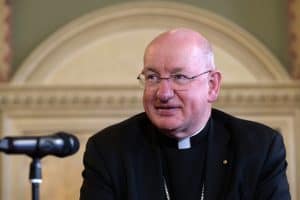
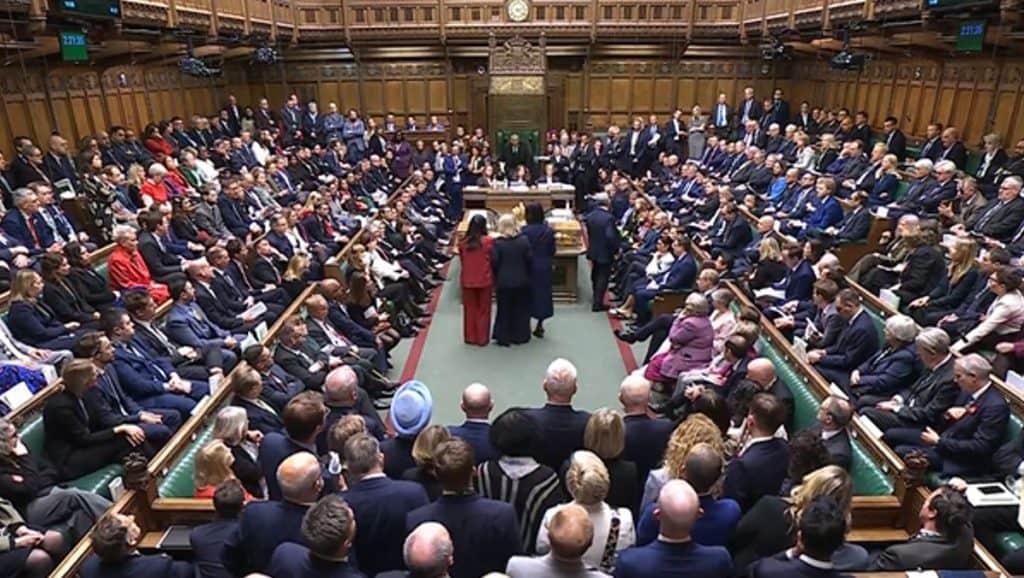
The Guardian reports that it has seen a leaked Labour policy document, from when they were in opposition, proposing how to introduce assisted dying via a private member’s bill. It suggested limiting the change in the law to those who are “mentally competent, terminally ill and have a prognosis of less than six months left to live”, the same as Kim Leadbeater’s bill. The Guardian says Ms Leadbeater’s spokesperson “categorically denied that the MP had any conversations with No 10 or the party leadership before she took up the issue”. The document cited opinion polls and suggested assisted dying would be popular with the public. But the bill has provoked fierce opposition in the Lords, with hundreds of amendments seen as an attempt to force the bill to run out of time. The government has allowed ten more days of debate to try to get through the amendments, and peers will continue the process today. A Labour party spokesperson is quoted saying it was normal for a wide range of policy proposals to be assessed by political parties in opposition. Lib Dem MP Tim Farron said the revelation should anger all MPs and Peers, who will have “even greater justification now to vote it down”. BBC report here
Public support for inclusive RE in Northern Ireland
A study from Queen’s University Belfast suggests strong public support for Religious Education in Northern Ireland to help pupils understand a wide range of religious and non-religious worldviews, including Muslim, Humanist and atheist perspectives. More than 60 per cent of respondents to a representative survey and consultation, agreed that learning about diverse beliefs could have important social benefits, such as reducing prejudice and reinforcing the principle of freedom of religion. The research has been published three weeks after a landmark case at the UK Supreme Court, which said that the current RE teaching in Northern Ireland is unlawful, because it does not convey religion in “an objective, critical, and pluralistic manner”, and this amounted to indoctrination. The curriculum was created by four main Christian denominations in 2007 and mandates compulsory teaching of exclusively Christian content. The Queen’s research project, “Religion and Worldviews Education for All”, found 42 per cent were dissatisfied that churches had responsibility for writing the syllabus, while minority faith and non-religious parents often felt marginalised or excluded. Most schools retain a Christian ethos, but researcher Dr James Nelson said: “There is broad support for transforming religious education classes into inclusive spaces where all students learn together about diverse worldviews with a view to engendering respectful social relations in a shared society.” The research recommends that people from diverse religious and philosophical convictions should help inform the new syllabus. Dr Nelson and Dr Rebecca Loader conducted the research with funding from Culham St Gabriel’s Trust, Northern Ireland Interfaith Forum and Parents for Inclusive Education. Press release and links here
Vatican decides against women deacons, but says this is not definitive
A Vatican Commission has decided against admitting women to the diaconate at present, although it says this decision is not definitive. The diaconate is the first degree of Holy Orders, enabling assistance at the altar at Sunday Mass, sometimes preaching, reading the gospel, prison and hospital chaplaincy, baptising, conducting funerals and witnessing marriages. The Commission says that at present, the historical research, theological arguments and implications do not support a change, although discussion and study can continue. Its arguments include that women deacons in the early Church did not have sacramental character, and that there are different views as to what the diaconate is – ministry or priesthood – which need to be resolved. The report concludes that the argument “does not at present allow for a definitive judgment to be formulated, as is the case with priestly ordination.” The Commission has spent five years examining the issue, and in this time, there was pressure for change from Catholics around the world, presented at the Synod on Synodality, but the outcome was simply that the debate remains open.
Equi calls for action to boost Muslim charitable giving
The Muslim think tank Equi has produced research suggesting that Muslims are the UK’s most generous givers, but they face barriers in expanding their income and activity. The study says Muslims give four times more than the average UK adult and contributed about £2.2 billion in 2023/24. The report “Building Britain: British Muslims Giving Back”, finds that much of the charitable giving goes towards global humanitarian work, and there is “significant untapped potential” for UK-focused giving. It says a generational shift is already underway, with younger British Muslims supporting more domestic needs such as homelessness, food insecurity and child poverty. Muslim charities are increasingly providing essential services complementing public services. But the report outlines barriers to the Muslim charitable sector including “debanking” where people lose their accounts through political affiliation or faith identity; a heightened level of scrutiny under counter-terrorism legislation; and failure of government and the Charity Commission to recognise the contribution of Muslim charities. The report calls for inclusive, faith-literate policymaking and incentives such as match-funding to expand domestic impact while maintaining vital international support. The report is here.
Compulsory antisemitism training for all BBC staff
The BBC has announced that all staff must complete a new training course on antisemitism within the next six months, as part of new anti-discrimination training. A course on Islamophobia will follow in February. The training will help staff spot and call out antisemitism, and has been developed in partnership with the Jewish Staff Network, the Antisemitism Policy Trust, and the Community Security Trust. The Director General told staff: “The BBC is for everyone, and we are clear that everyone working here should feel they belong. As an organisation, we stand united against any form of discrimination, prejudice, or intolerance”. The initiative follows meetings with the Board of Deputies over 18 months, and representations from more than 200 staff and contractors who called for an investigation into what they described as systemic problems of antisemitism and bias, and a failure to act.
Chief Rabbi accused of backing Israel over British Jews
The Green Party leader, Zack Polanski, has accused Chief Rabbi Ephraim Mirvis of speaking in the interests of defending the Israeli government and failing to represent British Jews. Speaking on The Rest Is Politics podcast, he said he is proud to be Jewish: “I am outraged that there are British communal organisations – in fact, I’ll go further – we have a Chief Rabbi who I think has overstepped the mark many times, where he is not speaking for the Jewish community – he is certainly not speaking for me, and I don’t think he’s speaking for the wider community. He is speaking for the Israeli government… For someone with the role of Chief Rabbi to politicise what is happening in Israel as a defence of the Jewish community in Britain, I think, is deeply damaging”. A spokesperson for the Chief Rabbi, Sir Ephraim Mirvis, said that he did not wish to respond to the comments.
Unite the Kingdom Christmas carol concert set for London
The people behind the Unite the Kingdom rally in London last summer, including far right activist Tommy Robinson, are organising an outdoor Christmas carol concert in the centre of London on 13 December, called “Put the Christ back into Christmas”. The exact location is not disclosed on their website Urban Scoop. A film about the concert includes Tommy Robinson urging people to attend and Pastor Chris Wickland saying: “This is a moment for believers, families and patriots to stand together and declare Christ is the reason for Christmas”. Other clerics in the film including Pastor Rikki Doolan, instrumental in Tommy Robinson’s conversion, and the Rev Brett Murphy, former CofE vicar now leading an Anglican splinter church in Morecombe, say Britain must hear the message of hope again. The alignment of Christian symbols and language with far right rhetoric at the Unite the Kingdom march, has been criticised by leaders of mainstream denominations who say this is misuse of Christianity. “Jesus calls us to love both our neighbours and our enemies and to welcome the stranger. Any co-opting or corrupting of the Christian faith to exclude others is unacceptable.” Premier Christian News story here