Memorial to 15 Jewish people killed at Bondi Beach
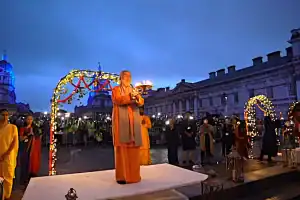
The Jewish community assembled for a memorial to the 15 people killed a week ago at Bondi Beach as they were celebrating Hanukkah. Crowds gathered again to light the Menorah as the eight day festival drew to a close on Sunday. The BBC reports that the candles were lit by the father of Ahmed al Ahmed who wrestled a gun from one of the attackers, the children of the two rabbis who were killed, surf lifesavers, a Jewish community medic who treated people at the scene, and Michael, the father of ten year old Matilda, the youngest victim. The BBC article by Tiffanie Turnbull, gives a detailed account of the impact of the killings on the community and the country as it seeks a way forward. Article is here
Majority of British Jews ‘feel they have no long term future in UK‘
The Campaign Against Antisemitism has commissioned a poll which suggests that a majority of British Jews (51 per cent) feel that they do not have a long-term future in the UK. Among those who have considered leaving Britain in the past two years, a majority cite the surge in antisemitism since 7 October 2023 as the reason, but almost half also point to general prejudice against Jews in society and antisemitism in political parties. It found that 59 per cent of British Jews try not to show visible signs of their Jewishness due to concerns relating to antisemitism. The Campaign says: “a remarkable 80 per cent believe that the current Government has been bad for the Jewish community”. The poll also showed 89 per cent of British Jews consider anti-Zionism is a form of antisemitism. The survey was based on 4,490 self-selected responses. Details here
Archbishop speaks against injustices towards Palestinians on the West Bank
The Archbishop of York, Stephen Cottrell, reflects in The Times on the baptism of a baby during his visit to the West Bank, born into turmoil which he witnessed first-hand: “in particular, the frightening effects of seemingly unrestrained settlers in the West Bank”. He says he saw and heard evidence “of people being forced from their homes and having their human dignity and freedoms stripped away”, with gates, fences and restriction on movement. He deplored the barbaric attack on Israel on 7 October and the rise in antisemitism that has followed, but he said: “The response to this barbarism should not be to inflict terrible privations and injustices on Palestinian civilians”. The day after this article was published, Israel’s security cabinet approved the recognition of 19 new settlements in the West Bank.
8,500 people mark the winter solstice at Stonehenge
An estimated crowd of 8,500 people gathered at Stonehenge for the winter solstice to see the sun rise on the shortest day of the year. It’s a spiritual moment marked by Pagans, druids and new age followers, and there was singing, dancing and cheering as they celebrated the turning of the year. A writer for “Wild Hunt”, a website of Pagan news and perspectives, explained that “the dark is the part of the year that tells the truth”, when reflection alone in the dark, with only a candle, is a time for acknowledging dark moments, how healing became possible and how they inform future intentions in the year ahead. Article is here. Backgrounder on Stonehenge is here
Next Archbishop of Westminster urges empathy for refugees
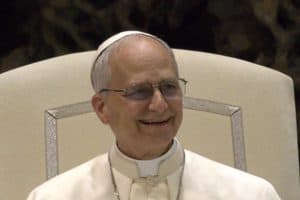
Two days before Bishop Richard Moth was announced as the next Archbishop of Westminster, he and Archbishop Bernard Longley, issued a statement saying “The Holy Family had to travel to Egypt as refugees. We should empathise with all who come to this country for their safety.” They said they were speaking out in response to “the tensions that are growing in society and the desire by some groups to sow seeds of division within our communities”, which “does not reflect the spirit or message of Christmas”. It was published by The Tablet on Wednesday – his appointment was announced on Friday last week. That day, we ran a briefing about his life and work, and Catherine Pepinster wrote an article on his appointment
Next Archbishop of Canterbury emphasises Jesus was a refugee at birth
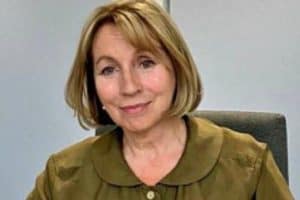
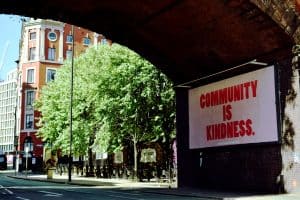
Bishop Sarah Mullaly, soon to take up the role as Archbishop of Canterbury, has given an interview to The Times, where she was asked for her views on Tommy Robinsons’ recent “Put the Christ back into Christmas” event in London. She said: “The use of any Christian symbols to oppress is absolutely wrong, and the use of the Christian message to cause offence is absolutely wrong. This should not happen. If you look at the symbols Jesus used, it’s foot-washing, sitting alongside the outcast and the stranger. He was a refugee at birth, born in a place because of the generosity and hospitality of others.” She went on to express sympathy for people who felt threatened or dispossessed and said the church had a role to support them. In a wide ranging interview, she spoke against antisemitism and about her faith, her career as a nurse then priest, and her desire to give clergy confidence to pursue local strategies for growth and engage in acts of kindness in the community.
Vicar in St Albans takes carol singing to the pubs
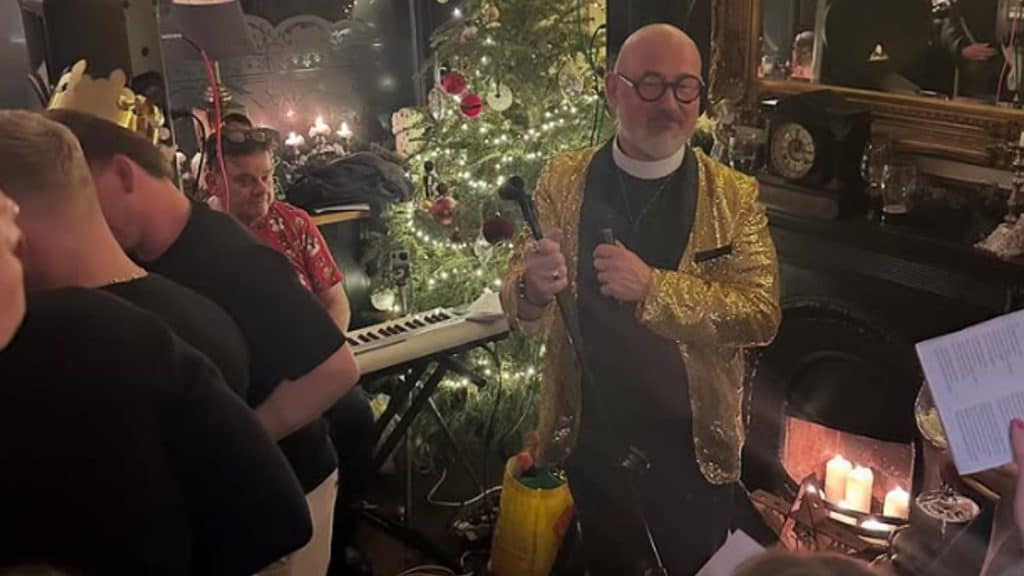
A vicar in St Albans is taking Christmas out to the public through lively carol singing in a total of ten pubs in the city. The Rev Richard Watson has taken “Carols Til Closing” round the pubs with his pianist Paul Davies, for 13 years, and this season, The Times followed them round. People said there was a great vibe – “the barriers came down” – as the punters lifted the roof. Richard Watson explained the link: “The priest and the publican do a very similar job,” he says. “We both hold a space where people are welcome, whoever they are and whatever their situation”. The Times report with great pics is here.
Plea to stop using donkeys in nativity plays
The Donkey Sanctuary, based in Sidmouth, Devon, has warned that it is seeing “a concerning amount of events where animal welfare is not considered enough” in nativity plays. Quoted in The Telegraph, Faith Burden, the Sanctuary’s deputy chief executive, said: “Unfortunately, donkeys are really sensitive animals. Your average donkey that spends 364 days of the year in a field and is then put into the bright lights of a nativity play is probably not experiencing a particularly happy time.” In lieu of real donkeys, the charity suggests that models or costumes could be used to avoid the animals becoming worn out and depressed. Story is here