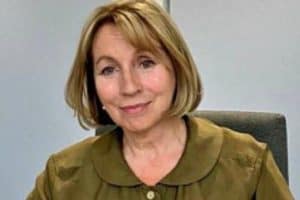
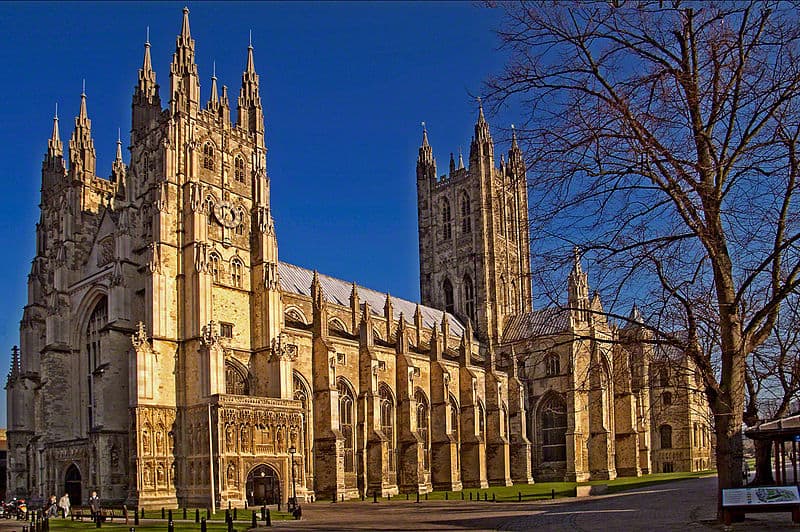
From the bustle of London, to Kent, the Garden of England, Sarah Mullally will inherit a diocese with orchards and vineyards, ancient woodlands and areas of natural beauty. But there is also a varied industrial base, rising population, new housing developments and transport routes to London and France, bringing urban challenges. She is taking up the role of Archbishop of Canterbury, standing in the footsteps of St Augustine, who brought Christianity in Canterbury in 597AD. Now there are 334 Church of England churches in towns and villages in the diocese, surviving despite a long term decline in congregations.
Christine Rayner meets some of the clergy in the Canterbury diocese as they prepare to welcome their new archbishop, when she is installed at Canterbury Cathedral on 25 March.
Canterbury: Sarah Mullally installed as Archbishop of Canterbury on Lady’s Day
Thought, prayer and a vast amount of organisation is being channelled into arrangements for the installation of the 106th Archbishop of Canterbury on 25 March. Hoping to keep a cool head amid the pomp, ceremony and excitement is the Very Rev Dr David Monteith, the Dean of Canterbury.
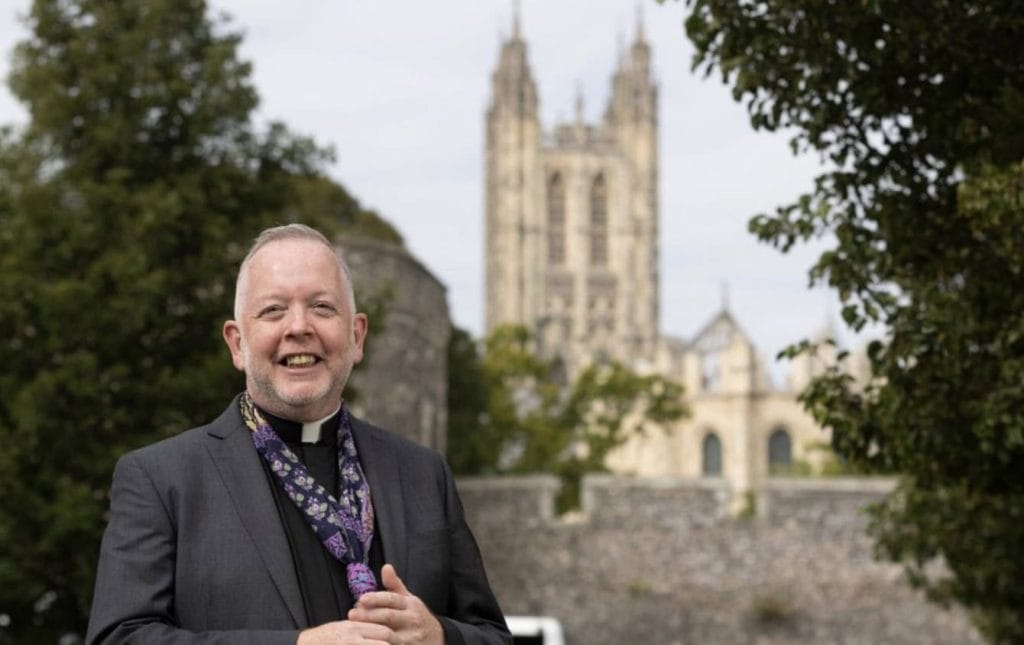
He will be responsible for seeing the day goes smoothly, welcoming guests including the Prince of Wales and church leaders from across the world.
As he sits in in his office overlooking the cathedral — occasionally leaning back on his brightly coloured chair to ponder a point, showing off his luminous pink socks — I ask Dr Monteith to share details of his role on the big day and his thoughts on what the new incumbent, Dame Sarah Mullally, will bring to the Canterbury diocese and to the Church of England.
Dame Sarah is the first woman to hold the office and Dr Monteith tells me he chose the date of her installation deliberately. The installation had to be before Easter and he decided it should be on Lady Day “so that it could become another lady’s day”. He smiles at his gentle joke.
Lady Day, 25 March, is also known in the Church of England as the Feast of the Annunciation, when the Archangel Gabriel told Mary she was to become the mother of Jesus Christ, the son of God.
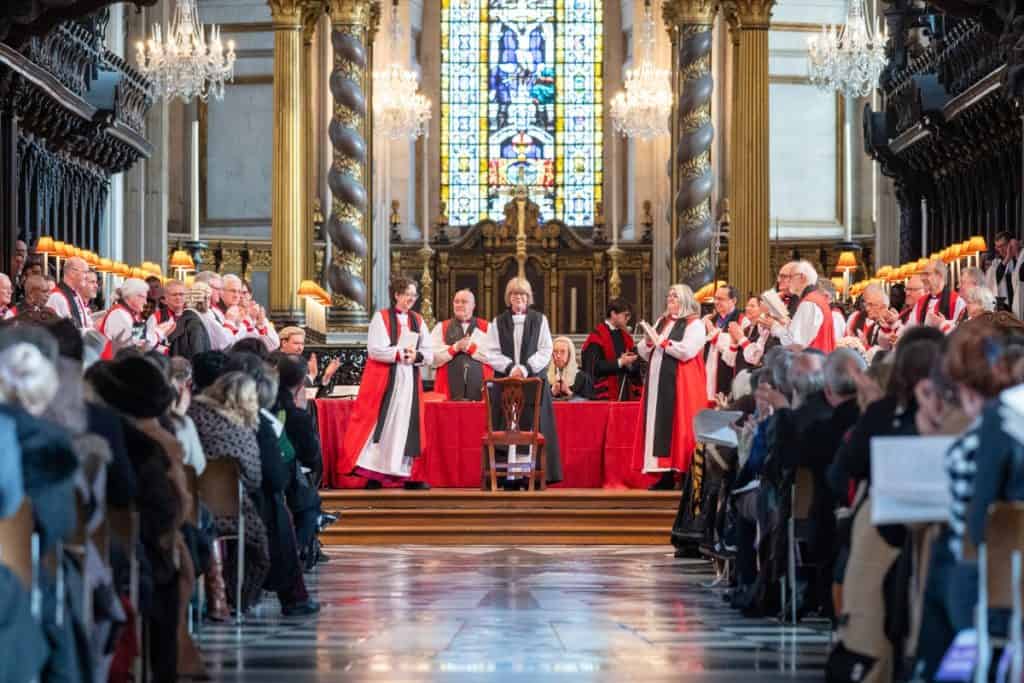
Dr Monteith is very keen to stress that Dame Sarah is not just a token female. “She got the job because she was the best candidate,” he says. “Her experience as a senior nurse, as well as the excellent work she has done as Bishop of London, show that she has a great sense of compassion, but is also of practical disposition. She works well in teams and has a caring personality.
“As a former senior nurse and still a nurse at heart, she really understands people, particularly those who are suffering. She has not forgotten her time on the wards.”
Dr Monteith says conversations with people he has met since the election of a woman reveal many are moved by the appointment. “It seems to them like a glass ceiling has coming tumbling down — and that’s significant,” he says.
On the big day, the dean will symbolically answer the new archbishop’s knock at the cathedral door.
“As custodian, I will open the door and let her in,” he says. “I will then be the officiant for the service.” The Ven Dr Will Adam, the Archdeacon of Canterbury, will install Dame Sarah into the Bishop’s Chair, also known as the “cathedra”, and Dr Monteith will install her into the seat of St Augustine, at which point she officially takes on the role of Primate of All England.
Among the world leaders, royal representatives and senior churchmen at the service will be guests from schools in the diocese. Dr Monteith is an ardent supporter of young people within the church and is keen to ensure they witness the important day.
Plans for the service have been drawn up by Dr Monteith in close association with Danny Johnson, the archbishop’s special projects director at Lambeth Palace. They include arranging receptions and accommodation for hundreds of guests.
And just to ensure no one feels left out of the process of welcoming the new archbishop, Dr Monteith is inviting people from across the diocese to a service in the cathedral at 5.30pm on Saturday, 28 March. Guests will include churchwardens, clergy and worshippers from parish churches.
The glare of the spotlight does not faze the dean, who has never shied from publicity in association with his roles within the church and is open about being gay and about his civil partnership with David Hamilton, a therapist working in palliative and bereavement care.
“We met when we were 21 and are now like an old couple,” he chuckles. However, it has never been easy to be openly gay within the church and Dr Monteith still smarts from the reaction he has experienced since he took on senior roles. He wrote in October of his pain at the abandonment of the Living in Love and Faith process, launched within the church in 2020, which sought to create policies on identity, sexuality, relationships and marriage.
He recounts occasions when he has been asked not to bring along his partner to official functions, or refer to his sexuality when dealing with visiting bishops “unless they brought it up, because many would see me as possessed”.
Dr Monteith says he increasingly feels “the sense of being an alien in the household of God” and believes there is no hope for significant change in the CofE with respect to the LGBTQI+ community. The overall attitude to gay people is to regard them as invisible, he says.
He hopes that Dame Sarah will bring a new perspective to the issue, saying “she is very aware of the diversity of the church here and across the world and recognises that they will work themselves out in different ways. I find her to be very warm and welcoming and happy to work with me. She has often quoted the phrase ‘to go fast, we go alone, to go further, we go together’ and I hope we shall see positive outcomes under her leadership.”
Dr Monteith describes himself on X as “gardener and poetry-reading Irish man in exile”. I question him about his roots in Enniskillen, Northern Ireland, and how this has influenced his life.
“It’s a huge part of why I am the way I am. I grew up in the Troubles in the 1970s and 1980s and the Enniskillen bombing [an IRA attack on Remembrance Sunday in 1987 that killed 12] was while I was in second year at university. When Gordon Wilson publicly forgave the terrorists for killing his daughter [Marie, 20,], it was a huge influence on my life, seeing how a Christian faith could change the narrative and could break cycles. Experience of living with difficulty and with diversity is really important to me.”
Another influence on Dr Monteith’s outlook is the power of art, storytelling, culture and poetry, all deeply embedded in Irish tradition. He went to same school as Oscar Wilde and Samuel Beckett and says he is “instinctively drawn to the playfulness of words and other forms of culture”, adding that “art and culture are not incidental to fulness of life, but are essential to fullness of life”.New archbishop has tranquillity — and that’s just what the CofE needs.
Whitstable: New archbishop has tranquillity — and that’s just what the CofE needs
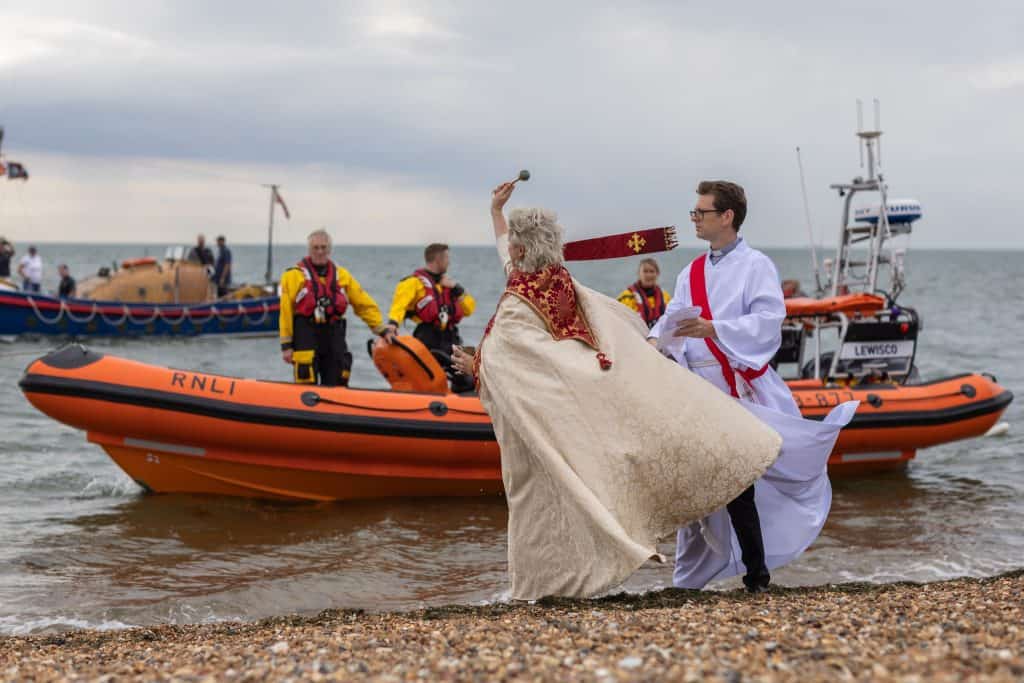
An aura of calm, consistency and compassion surrounds Dame Sarah Mullally — and that’s what she will need in her new role as archbishop, says a team rector from the Canterbury diocese.
The Rev Rachel Webbley admired the new archbishop’s tranquil appearance at synod in February and recalls: “When she announced herself in the synod chamber for her presidential address as ‘Sarah Mullally, Canterbury 001’ (the synod number for the diocese) everyone erupted in applause. They all seemed so thrilled, delighted, so proud. She exuded calm, consistency and compassion and I just thought. ‘Yup, that’s what we need’.”
The election of the first female archbishop is a huge moment in the 1,429-year-old Canterbury diocese, says Ms Webbley, who is clearly a great fan.
“I’ve had the privilege of seeing Sarah on various occasions and she’s great. She has this wonderful combination of status and gravitas, combined with approachability, humanity and kindness. In me, this inspires confidence and trust.”
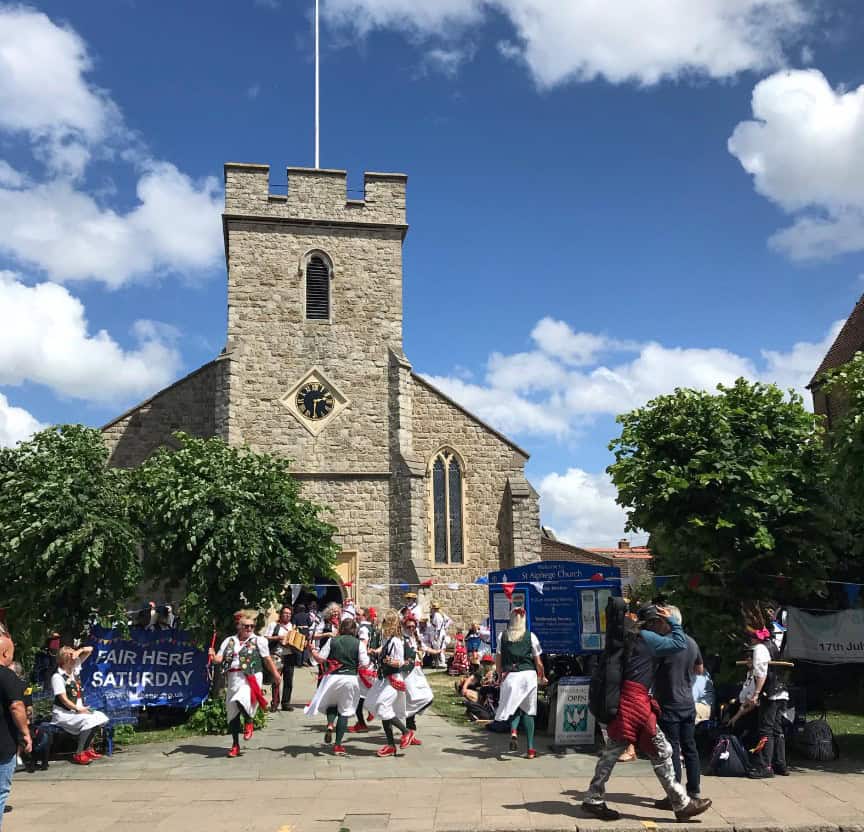
Ms Webbley, rector of the team ministry in Whitstable, a seaside town next to Canterbury, was ordained priest in 2005 — when there were few women in the role and certainly no female bishops. She has watched the church embrace the changes, but acknowledges there’s still a long way to go to achieve equality.
Dame Sarah’s background in healthcare, rising to the UK’s chief nursing officer, gives her an important perspective on life which will serve her well in her new job, Ms Webbley says. Her previous role as Bishop of London will also have taught her valuable skills.
One of the areas to which Ms Webbley hopes Dame Sarah will bring her calm focus is the urgent need for inclusivity in the church, including a change of opinion over the blessing of same-sex marriages.
A member of the Church of England’s parliament, the general synod, she was saddened by the pause in the Living in Love and Faith process last year, but believes the majority view is that now the conversation has begun it must continue.
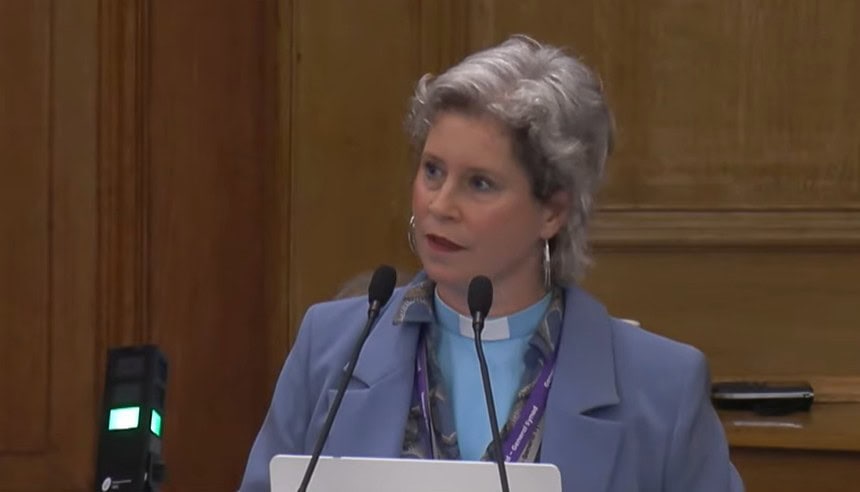
“We have to reach a better place, while staying together,” she said. “There are already churches putting in place processes for change. In the parishes, people are just getting on with their lives daily, including the LGBT+ community in a loving and caring way, so where is the split? These are not strangers; they are already in place.”
Many parishioners do not know how the church works, she believes. “They cannot understand that gay people cannot get married in our churches. It makes no sense to them. We’re talking about growth, mission and the inclusion of young people and these are all areas Sarah has led on. It’s really encouraging what I’ve seen of her, she seems very authentic.”
Ms Webbley has a ticket for the installation on 25 March, as a member of synod, but she greatly looks forward to the diocesan service on 28 March, where she says people in parishes across the area will get a chance to welcome the new archbishop. Her wish is that Dame Sarah will “feel at home in Canterbury”, adding: “She will have so many roles, a very demanding life, but I hope she finds the place affirming, a place she can really enjoy remaining in and feel loved”.
Faversham: ‘I see a quiet spring awakening’, says vicar in historic market town
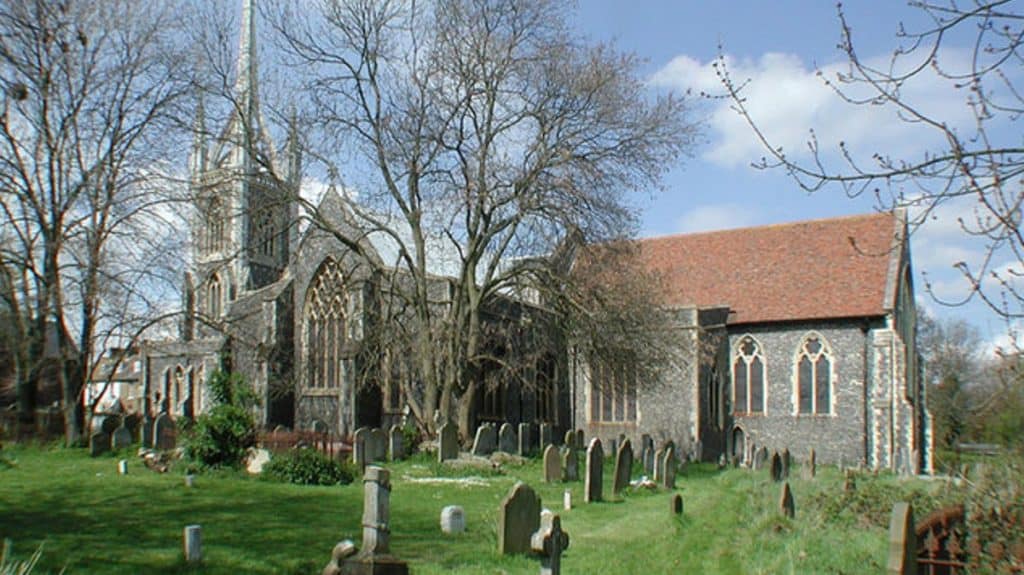
Safeguarding and inclusivity should be top of Dame Sarah Mullally’s priority list says the Rev Simon Rowlands, vicar in Faversham, east Kent — but he fears nothing will happen in a hurry.
Mr Rowlands is, however, hopeful of change and says he notices “a quiet spring awakening” in the four churches he oversees in east Kent, with rising numbers of worshippers over the past year.
“The Church of England is very comfortable in its ways and getting people to rethink the gospel of Jesus and how we minister that is a challenge,” he said.
“Of course, any institution starts from leadership at any level, which is why it will be interesting to see where Archbishop Sarah is coming from. I don’t know her style, so it will be interesting to work with her. The archbishop will have her own opinion on the issues facing the church, but she will also have advisers around her, the quiet individuals we don’t know about.”
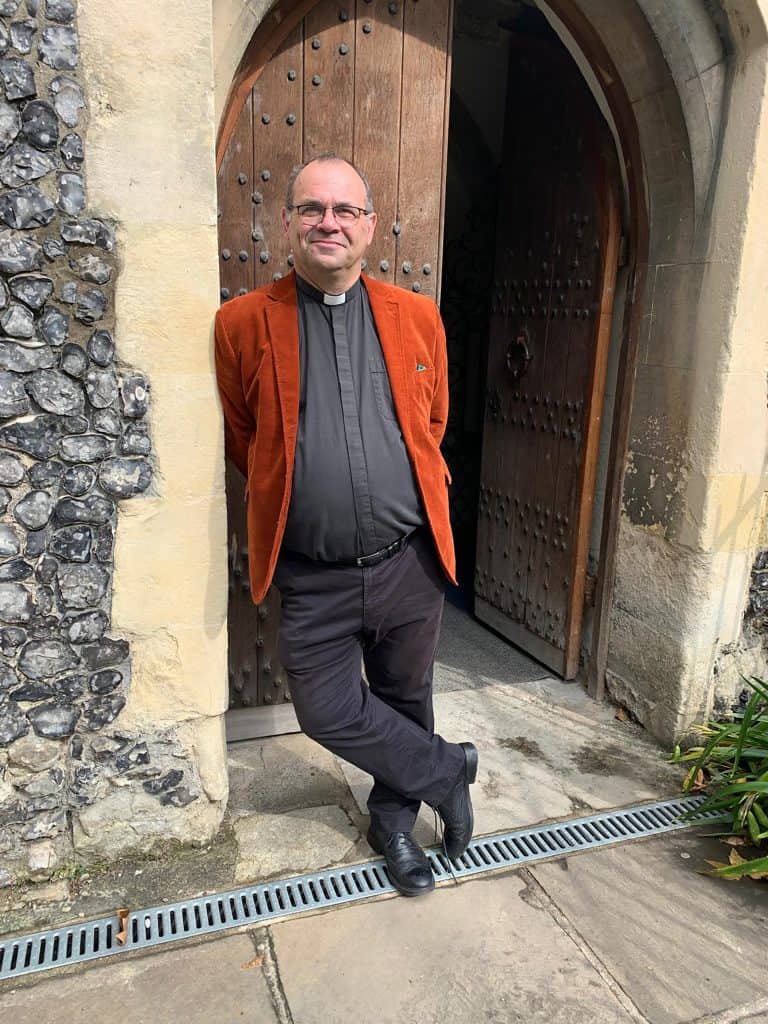
Mr Rowlands says the installation of Dame Sarah Mullally marks a new start for the church, locally, nationally and internationally. He worries how she will deal with the two biggest threats to the institution — the hangover from previous administrations concerning safeguarding and the pure economics of keeping parish churches running with vastly reduced income from central funding.
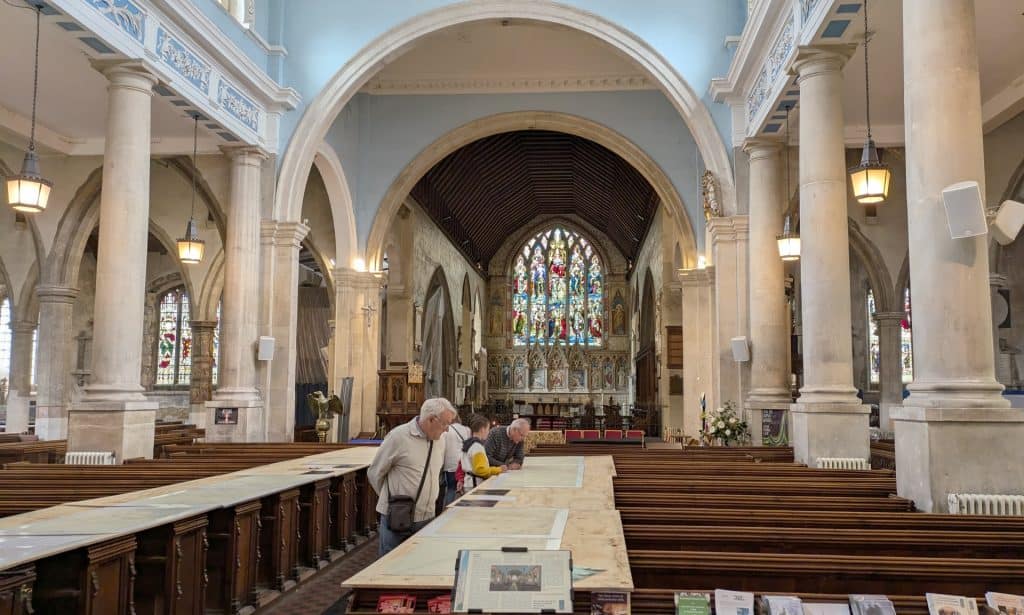
“My largest church, the Grade I listed St Mary of Charity in Faversham, has a congregation of between 70 and 80 and it costs £100,000 a year just to keep it open. Once upon a time, we were supported from a central fund operated by the Church Commissioners, who have vast amounts of money. But they are now committed to a reparation scheme for slavery and there is a sense at local level that the centre is disconnected from the local.
“If I have any hopes for our new archbishop, it is that there is a reconnection between the local and the centre.”
Mr Rowlands is very concerned that the Church of England will become politicised and split over differences of opinion, like the church in America. “My hope that we can be political with a small p,” he says.
The old view of the Church of England being the Tory party at prayer, with anyone in a high position coming from a particular background, seems to be changing, Mr Rowlands says.
He points out that Dame Sarah did not train at a full-time theological college, but enrolled on a part-time training scheme while still working “so there was a sense of one foot being in the work she was pursuing and one foot in the training she was receiving to be a minister. Once upon a time, that type of course was frowned upon, because the church wanted full-time trainees. This gives me hope.”
Mr Rowlands notes that for the first time, his archdeacon, archbishop and bishop are all female, a huge turnaround for the church, but he says there is still a long way to go, with the issue of bullying of female clergy to address.
The same changes need to be brought in over the church’s attitude to people within the community. Mr Rowlands says his parishioners cannot understand why the CofE bishops chose to pause the Living in Love and Faith initiative at the end of last year and is proud that his four churches operate an inclusive policy, welcoming everyone.
Posters in the churches and on websites declare: “We believe in inclusive church — a church which celebrates and affirms every person and does not discriminate … on grounds of disability, economic power, ethnicity, gender, gender identity, learning disability, mental health, neurodiversity or sexuality.”
He says: “When I first preached on what this would mean in St Mary’s, two elderly ladies in their eighties came up in tears saying, ‘For the first time we can talk about our children in same-sex relationships’.”
Summing up his hopes for the new archbishop, Mr Rowlands says: “For an archbishop to change an institution like the church takes a huge amount of effort, but I see spring shoots of recovery locally, with more people appearing in our churches. In November, we had a confirmation for 12 adults, ranging from early thirties to mid-fifties. I can’t remember the last adult confirmation, probably six or seven years ago.
“I pray for Archbishop Sarah to have the wisdom of Solomon. I will still wait for her to perform miracles, because she faces an impossible task, but she will need to be supported in prayer to achieve.”