By Lianne Kolirin
Planning a death ceremony can be “highly enriching” for someone seeking to end their life through assisted dying, a senior British rabbi has argued.
Rabbi Jonathan Romain has offered guidance on how to arrange a religious ceremony to be held while someone is assisted to die in his new book, A Better Death.
In the final chapter, “How to Say Goodbye”, Rabbi Romain, who chairs the Religious Alliance for Dignity in Dying, sets out advice on how to mark the occasion, should the practice ever be legalised.
The discussion is a hypothetical at this point: the Assisted Dying Bill is making its way, slowly, through parliament. If approved — which may be unlikely because of the 1,100 or more amendments made to it in the House of Lords — some eligible terminally ill people be allowed to end their lives with medical assistance.
In his 136-page book, which includes a preface from Dame Esther Rantzen, who has stage four terminal lung cancer, Rabbi Romain makes the case for legalisation, describing the debate as “one of the most pressing moral issues of the moment”. The practice is legal in 14 countries including Canada, Australia, New Zealand, Switzerland and the Netherlands.
From a religious perspective, he says that we honour God most by “healing someone when we can, comforting them when we cannot do so, and helping them let go of life gently when desired”.
Rabbi Romain sets about outlining how the medical process to end a life might be accompanied by a service that might — or might not — include a religious element. “The ceremony can involve whatever the applicant wants and best reflects their personality,” he writes. He suggests a range of settings, depending on the person’s circumstances, as well as who might attend, whether there is music and who, if anyone, might speak.
“Those with a faith background may wish to say prayers, make religious confession or read from the Psalms or other sacred texts,” he continues. “Music (live or recorded) would allow for a period of reflection. If the person enjoyed singing — be it in a choir or a football stadium — then communal songs could add to the proceedings.”
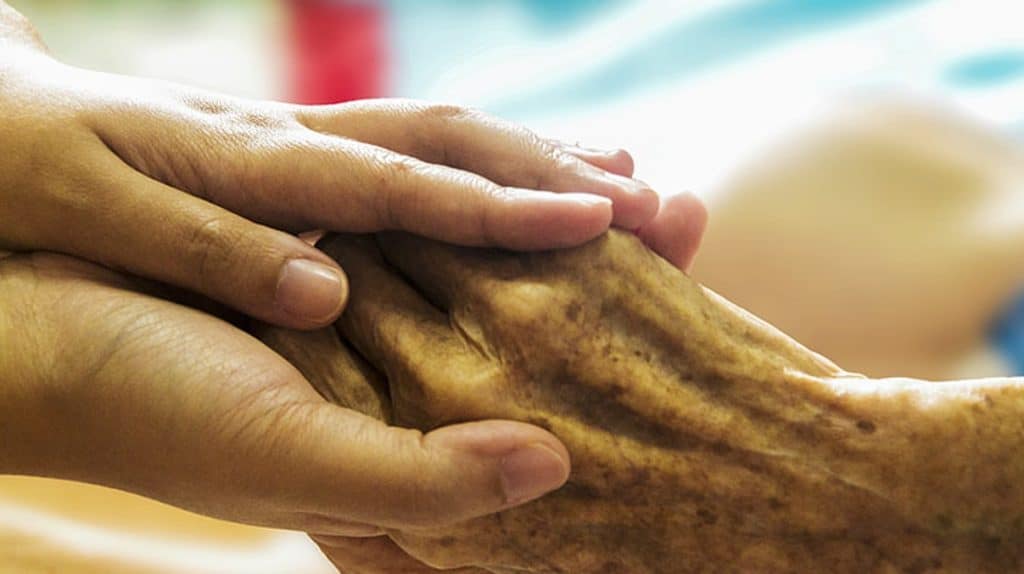
He continues: “Words are important, but have their limitations, and rituals can help express deep-seated feelings. These might involve the person giving out a rose or some other item to everyone present as a parting gift; or the person lighting a candle (which could then be extinguished after their death); or those attending laying hands on the person to signify support and farewell; or any other creative innovations.”
The approach he describes is a flexible one that must consider the feelings not only of the person who is dying but also those of their loved ones. While some people may prefer to remain silent, others might choose to be very involved in proceedings, he says.
“The person themselves may want to take a leading part, by talking about their feelings, reflecting on their life, sharing some particularly significant events, expressing their hopes for the family and friends in the future, giving a blessing to particular individuals or reciting a prayer traditionally said when approaching death,” he writes.
The suggestions do not end with death, as Rabbi Romain goes on to outline how loved ones left behind might handle the intense emotions that “will erupt immediately after the person has died”.
He suggests “some further moments of ceremony” which can act as a transition in moving “everyone from being participants to mourners”. However, he adds: “There ought to be a definite end-point that has been planned in advance, so that the ceremony does not drift on without purpose or become burdensome.
“The hope of most people for as good a death as possible will be a step closer,” he writes. “A ceremony around their final moments can be a fitting culmination to a life about to end, as well as therapeutic for those close to them. It will be a seismic new approach to death and dying. Future generations will look back and wonder why it took so long to achieve.”
Most religious groups, including the Church of England, the Roman Catholic Church, and the Muslim Council of Britain, strongly oppose assisted dying.
However, there are those like Rabbi Romain within the faith community who are in favour of assisted dying in the right — and closely monitored — circumstances. They include Lord Carey of Clifton, who served as Archbishop of Canterbury from 1991 to 2002.