Hong Kong Catholic media tycoon Jimmy Lai, sentenced to 20 years
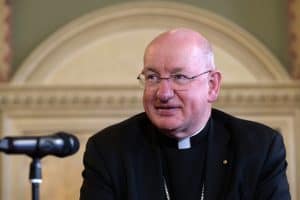
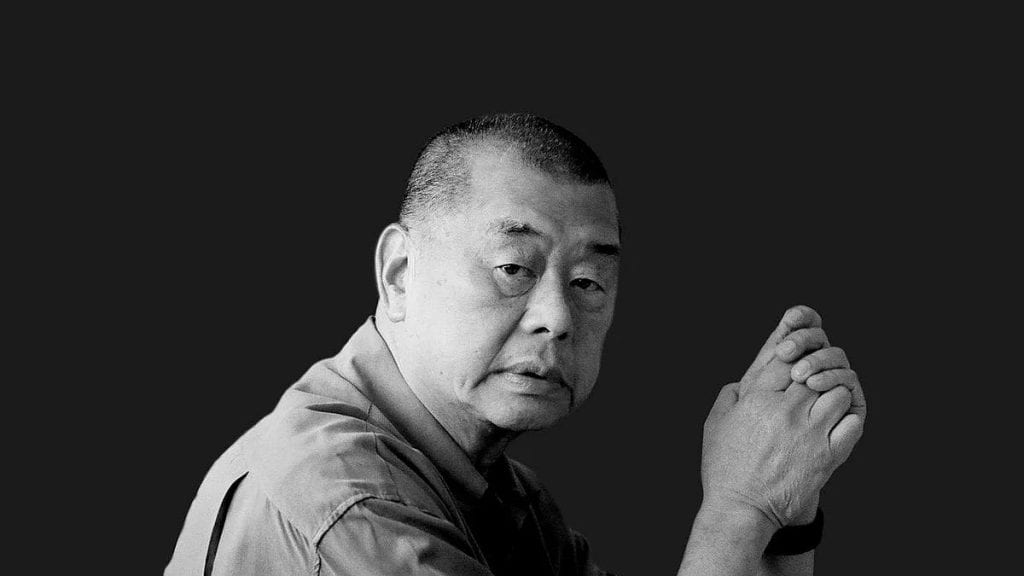
Jimmy Lai, founder of the now-defunct Hong Kong pro-democracy newspaper Apple Daily, has been jailed for 20 years for conspiracy to collude with foreign forces and conspiring with others to publish seditious articles. This is the harshest sentence under a law imposed by China after democracy protests in 2019. Lai, who is 78 and a British citizen, was baptised in 1997 by Cardinal Joseph Zen Ze-kiun, bishop emeritus of Hong Kong. He is known for his commitment to the Catholic faith and support for religious freedom. He has said that his actions are guided by his faith and a commitment to human dignity, famously stating that if he suffers, it is “like Jesus on the cross”. His daughter told EWTN that her father prays and reads the Bible in prison and sees his incarceration as a means of evangelisation. The UN, President Trump, the UK government and prominent Christians have called for his release.
Low-fee high achieving Islamic schools at risk from rising costs & VAT
A report by the British Muslim thinktank Equi, says that low-fee independent Islamic schools are delivering some of the strongest educational outcomes in the country, at a fraction of the cost of both mainstream independent and state schools. But the report, Faith led, results driven: unlocking the potential of Islamic Schools, warns that rising costs, including VAT on school fees, threaten their sustainability. It says there are an estimated 190 independent Islamic schools accounting for 7.5 per cent of the sector in the UK, charging an average of £4,000 a year. The report analyses data suggesting that Islamic schools outperform GCSE national averages in English and Maths, and 86 per cent have been judged by Ofsted to be “outstanding”. Professor Javed Khan OBE, Equi’s Managing Director, said Islamic schools are delivering exceptional results on shoestring budgets, and the report shows how “values-driven, community-centred education can raise attainment, strengthen identity and build responsible citizens, all whilst costing the taxpayer far less.” Equi report is here
Synod greets Sarah Mullally as “a chief nurse who will make a very good chief shepherd”
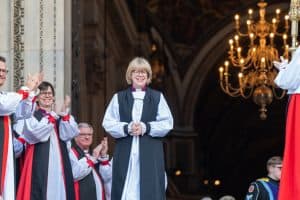
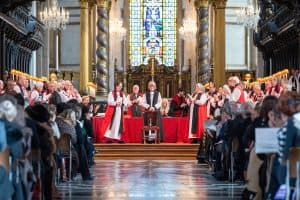
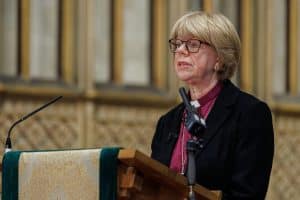
The Church of England’s general synod opened in London yesterday, with a standing ovation to the new Archbishop of Canterbury, Sarah Mullally, the first woman to hold the role. She was greeted by her colleague Stephen Cottrell, the Archbishop of York, who said: “It seems good to us and to the Holy Spirit, that a chief nurse would make a very good chief shepherd and .. I want to .. record our welcome to our dear sister in Christ”.
Bishop defends CofE £100m reparations fund amid Synod backlash
One of the first synod discussions focused on Project Spire, the plan to allocate £100 million of Church Commissioners’ money to address the Church’s historic links to the slave trade. The project has drawn strong criticism, mainly from Conservative MPs and commentators, who argue it amounts to virtue signalling and that the money should instead be spent on the church’s core activities. Reactions at Synod were sharply divided. One delegate said people in his parish were “hopping mad”, while another said Caribbean and African church members were “buoyed up” by the initiative. The Bishop of Salisbury, Stephen Lake, deputy chair of the Church Commissioners, defended the project, saying it would not increase to £1 billion “on my watch” and there had been “no reduction in funds to parishes” as a result. He said: “A church that ignores its links with a fundamental historic wrong cannot credibly claim moral leadership in the present or the future.” Synod was told that a fringe meeting on Project Spire would take place on Wednesday, with key critics including Professor Nigel Biggar expected to speak.
Concern over CofE clergy mental health
The Telegraph reports another question coming before the synod, raising the issue of poor mental health, financial strain and a feeling of isolation affecting Church of England clergy. The issues were highlighted in a recent Living Ministry report “Lord, for the Years”, which indicated that 16 per cent of clergy showed probable clinical depression, with a further 13 per cent showing possible or mild depression. In a written answer, the Bishop of Chester said bishops had a major discussion on clergy wellbeing. Clergy pay is going up, pensions have been improved, and more money has been made available to groups helping to support clergy. Telegraph report here
Vatican sends generators and medicines to Ukraine
The Vatican has sent three lorries carrying 80 electricity generators to Ukraine after Russians bombed the energy infrastructure. The vehicles left from the Basilica of Saint Sophia in Rome, the church of Ukrainians in Italy, and arrived at locations in Fastiv and Kyiv, areas that have been particularly affected by recent attacks. Bishops had appealed to the Pope for help as nighttime temperatures fell to minus 15 degrees Celsius, and daytime to 10 to 12 degrees. People have been forced to leave their homes to seek refuge in warm shelters, energised by generators. The Dicastery for the Service of Charity, which organised the shipment, has also announced that preparations are underway for another lorry carrying thousands of antibiotics, anti-inflammatories, antihypertensive medicines and various food supplies, which will be distributed through parishes.
Islamic Relief warning of hunger and severe drought in the Horn of Africa
Islamic Relief says there are “shocking” food shortages in southern Somalia as climate change has led to severe drought, with 3.3 million people fleeing from their homes to seek aid in vast camps. There have been four consecutive failed rainy seasons in the region, with ruined crops and livestock killed. In total it estimates there are 5.9 million people needing aid and 1.85 million children expected to suffer acute malnutrition this year. It is offering food and emergency aid, but global aid cuts mean hundreds of health and nutrition centres have closed and UN food assistance has shrunk. Kenya and Ethiopia are also affected by drought, and here it is supplying water sources, cash and nutrition support.
Free faith security training rolling out this month
The Home Office is providing free Faith Security Training to enhance security knowledge and practices within places of worship and faith communities in England and Wales. CDS Support has won the contract and is rolling out courses this month for faith leaders, trustees, facilities managers, community volunteers and members. The courses will include information on understanding threats, response to incidents, risk scenarios and governance issues.
Carlisle Cathedral’s east window named the nation’s favourite
Carlisle Cathedral’s east window has been named as the “nation’s favourite” in a competition organised by the Association of English Cathedrals. Depicting the life of Jesus, The East Window is the largest and most complex “flowing decorated gothic” style window in England. It is 51 feet high and 26 feet wide, with nine lights, and tracery – stone bars and mouldings dividing the window into sections. The window still contains much of its original medieval glass, dating back to the 1350s, but the main lights are Victorian. The lower lights were re-glazed in 1861 by Hardman & Co. of Birmingham, depicting scenes in vivid colours from the Life of Christ. In celebration of the competition win, Carlisle Cathedral has announced a new guided tour, Sacred Light: The Stained Glass of Carlisle Cathedral, which will take place for the first time on Saturday 21 February.