Public inquiry into Heaton Park synagogue attack
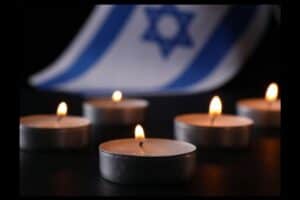
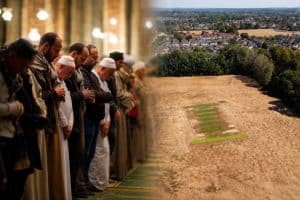
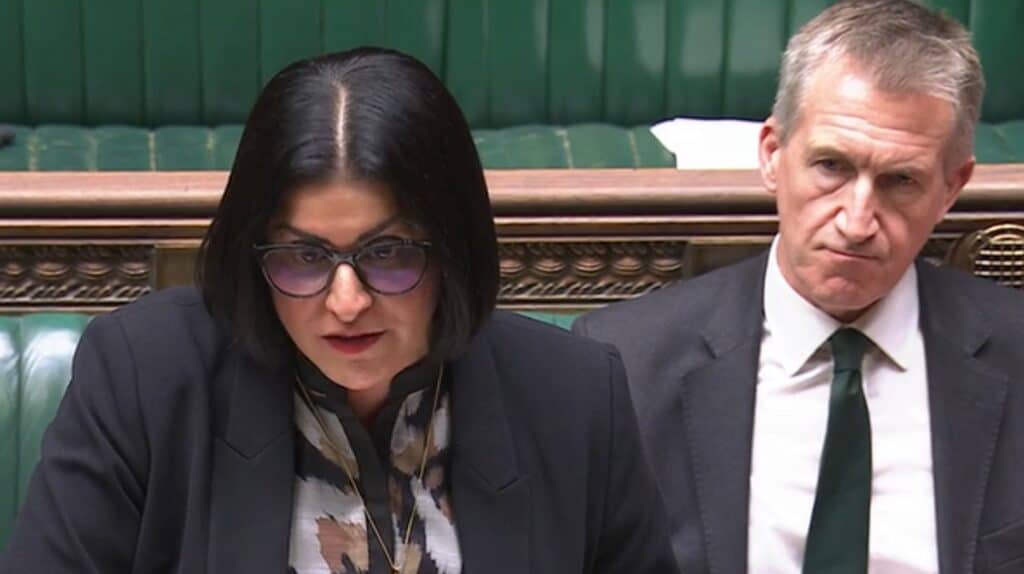
The Home Secretary, Shabana Mahmood, has announced a public inquiry into the deaths of two Jewish men killed during an attack at Heaton Park Hebrew Congregation synagogue in Manchester on Yom Kippur, 2 October 2025. Adrian Daulby and Melvin Cravitz died after Jihad Al-Shamie drove a car at people outside the synagogue, then attacked people with a knife and tried to enter the building. He was shot dead by armed police at the scene. Al-Shamie, 35, a British citizen of Syrian descent, called police during the attack and said he was acting for Islamic State. Announcing the inquiry in the House of Commons, Mahmood said it “will ensure that all evidence can be heard, including any sensitive national security material that could not otherwise be fully heard in the coroner’s court”.
Green Party referred to equality watchdog over Zionism motion
The Campaign Against Antisemitism has referred the Green Party to the Equality and Human Rights Commission after it passed the motion declaring that “Zionism is racism”. It says the Party discriminates against Jewish members and/or associates contrary to the Equality Act 2010, because they are Jews or are associated with Zionism and the State of Israel. It says: “By this motion, their continued presence in the Party will become untenable”, and it declares “We will not stand idly by as extremists hijack a political party and make antisemitism its openly stated policy.”
Church of England warns prayer teams against controlling vulnerable people
The Church of England’s new guide for pastoral ministry, “Lord, Teach Us To Pray”, describes pastoral prayer as a gift that can bring comfort and healing, but warns that it can become controlling if people impose solutions on those in distress – a tendency it describes as “the saviour syndrome”. The book encourages prayer teams to allow space for honesty and silence, respect vulnerability, and recognise when situations exceed their expertise. The guidance covers training, safeguarding, confidentiality and when disclosures must be passed to statutory services because someone may be at risk. Developed with input from abuse survivors, the book urges prayer ministers to listen carefully, avoid the temptation to rescue someone in distress, and know when to seek outside help.
How prejudice against Muslims grew in Britain since 9/11
Muslim journalist Mobeen Azhar, and co-director Masood Khan, produced a programme on BBC Two last night “Being Muslim After 9/11”, telling the story of how the attacks of 9/11 transformed life for British Muslims. The film examines how anti-Muslim prejudice has grown in the last 25 years, alongside far-right recruitment. It explores the views of political activist and former leader of the Respect Party. Salma Yaqoob, and community leaders who have worked to counter radicalisation. It questions how Britain reached its current attitude to Islam and British Muslims, and looks at the lasting consequences.
Another new Dean for Bangor Cathedral
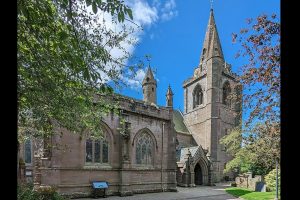
The Rev Nia Catrin Williams, a former armed forces chaplain, has been appointed as the next Dean of Bangor Cathedral. A first-language Welsh speaker, she was ordained priest at St Asaph Cathedral and has served in the Diocese of Bangor and her home area of North Wales over 25 years. She succeeds Dr Manon Ceridwen James, who has recently become the Bishop of Bangor. The new appointments follow a turbulent time after the publication in 2025 of two reports into Bangor Cathedral which described weak governance of finances, a culture where “sexual boundaries seemed blurred” and excessive drinking. The then Dean left his role, and the then Bishop, Andy John, retired. The Church in Wales said the new Dean will continue to address concerns to rebuild trust and confidence.
Catholic charity’s aid partner hit by Russian drone strike in Odesa
A Russian drone strike on a building in Odesa, severely damaged a neighbouring building used by Caritas-Spes, a partner of CAFOD in Ukraine. Windows and doors were blown out, but no-one was injured, as a psychological support session for veterans had ended just seven minutes before. Henry Wilson Smith, CAFOD Acting Emergency Programme Manager for Ukraine, said the incident was “a stark reminder of the risks humanitarian workers in Ukraine face every day as they deliver services to the most vulnerable.” Sessions have been suspended until the office is restored and the space is once again safe. Donald Trump claimed a ceasefire on energy locations was in place, but soon after, President Zelensky said Russia attacked gas stations, energy infrastructure and other facilities.
An Evening with Vatican foreign minister Archbishop Paul Gallagher
The Vatican’s foreign minister, Archbishop Paul Gallagher KCMG, will deliver The Tablet Lecture 2026 this evening, on the subject “Keeping the Dream of Peace Alive”. Born in Liverpool, he was ordained there in 1977 and has spent 42 years in the Holy See’s diplomatic service, and nearly 12 years in his current senior Vatican role “Secretary for Relations with States and International Organisations”. During this time, he has dealt with every world crisis on every continent and addressed moral concerns. Last Sunday, on the World Day of Migrants and Refugees, he celebrated Mass in Geneva and called for the recognition of dignity in displaced children, and the need to offer them a sense of belonging. Tonight, it’s expected he will “share insights from the Holy See’s engagement with today’s major global challenges, and reflect on the power of dialogue, moral leadership and patient diplomacy.”
Lebanon’s last bell-maker keeps a 300-year-old tradition alive
The Guardian tells the story of the Naffah family, from the hills of Lebanon, near Beirut, who are carrying on a 300 year old family tradition of metal work and making church bells. Naffah Naffah and his two sons have forged a business supplying churches across the Middle East and among Lebanese communities worldwide. The feature explains how each bell takes two months to make, from clay moulds with crosses, decoration and the workshop’s signature, to pouring on copper and tin. Naffah says giving one away feels like losing a child. His sons are determined to continue the tradition, which began with an 18th-century metalworker. The workshop produces about 25 bells a year, which cost up to $80,000 depending on the size. The earliest surviving bell that bears their name is in the town of Qalaat Sahyoun and was forged in 1725. Guardian article is here.