Scottish parliament rejects assisted dying
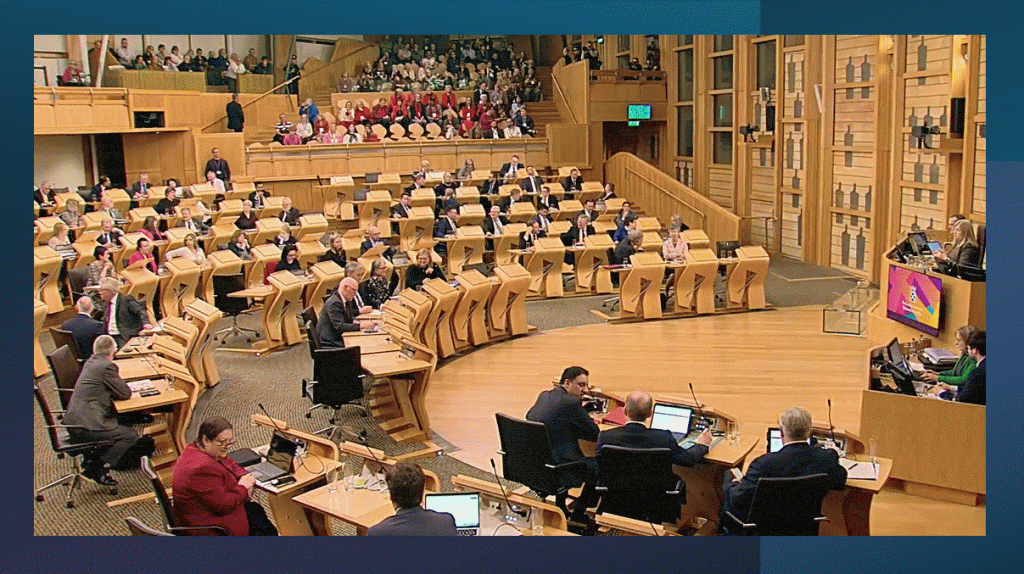
The Scottish parliament has voted against assisted dying by 69 votes to 57. The proposal, tabled by Liberal Democrat Liam McArthur, would have allowed terminally ill, mentally competent adults with less than six months left to live, to seek medical help to end their lives. In an emotionally charged debate, opponents feared the impact on vulnerable people and said a person may feel coerced into deciding to die, believing they were a burden. Other concerns were the protection of medical staff who did not wish to be involved, and lack of oversight of doctors. MSPs were not satisfied with safeguards brought in during four days of debate last week and the bill was voted down. Meanwhile, the assisted dying bill for England and Wales is stalled in the House of Lords, having run out of time for the consideration of remaining amendments, and is unlikely to pass. But Jersey and the Isle of Man have voted in favour of assisted dying and these decisions are awaiting royal assent. Official report of the debate here.
Sarah Mullally will vote in the Lords today on plan to decriminalise abortion
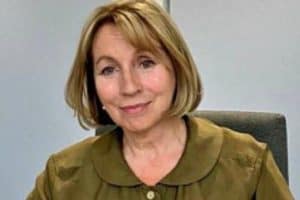
The Archbishop of Canterbury, Sarah Mullally, will be in the Lords today to vote on the clause decriminalising abortion, which is part of the Crime and Policing bill. Lambeth Palace has made this clear to several journalists. The bill says women who end their pregnancies outside the legal framework, up to the birth date, will not be prosecuted, a measure which has caused concern among faith leaders. A letter to The Telegraph last year, from more than 200 clergy and 13 bishops, said there is compassion for pregnant women but also the viability of the life of the child. Dame Sarah issued a statement as Bishop of London last June, saying the measure “risks eroding the safeguards and enforcement” of legal limits on abortion and fundamental reform needs public consultation and robust parliamentary process. There was critical comment on social media last weekend, suggesting that she would not vote because she was on a six day pilgrimage to Canterbury ahead of her installation. However, Lambeth Palace has made it clear that she will vote. Guardian factsheet on the bill is here.
Dame Sarah starts her pilgrimage from London to Canterbury
Dame Sarah began her pilgrimage to Canterbury yesterday leaving St Paul’s Cathedral and making for Woolwich, accompanied by well-wishers. A film shows her setting off on the first pilgrimage day, where she says that her journey will enable her to prepare for her installation on 25 March, through encountering people on the route. She said that on her journey, she would pray for a fractured world. During the day she also issued a statement saying she was praying for the families suffering the devastating loss of two young people, who died from meningitis in Canterbury, the centre of her new diocese, and her prayers were for those now trying to protect the communities.
Lord Williams advises the next Archbishop of Canterbury ‘It’s no walk in the park’
Lord Rowan Williams says the new Archbishop of Canterbury, Dame Sarah Mullally, will face the same issues that he did 15 years ago – same sex relationships and the place of women in the church. In an article in The Telegraph, he says every archbishop starts with expectations, but “realising you’re not going to be able to meet them is part of the job. It is no walk in the park.” He was speaking to Peter Stanford about his book on fragmentation in society and the need for solidarity, described as interdependence, mutual respect and serving the needs of the poor. The lack of solidarity and the factions within the Anglican Communion have led to threats of schism, and Lord Williams admitted: “I honestly don’t know whether the (Anglican) Communion will survive”.
Pope Leo holds 40-minute meeting with author critical of Opus Dei
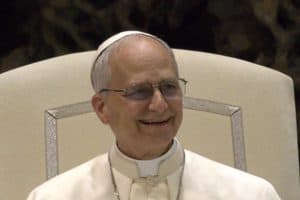
Pope Leo has met, at his request, the British journalist Gareth Gore, who has written a book about the Catholic group Opus Dei, alleging that it is guilty of abuse, manipulation and greed, using billions of dollars from a Spanish bank which has now collapsed. The meeting lasted 40 minutes and Gareth Gore has since written an account of what he said. He urged the Pope to launch an independent inquiry into Opus Dei, explaining: “I said that he should stand ready to close down the organisation if the evidence merits it”. Opus Dei, founded in 1928, says Gareth Gore’s book is “littered with twisted facts, errors, conspiracy theories and even outright lies”. Times article here.
Faith leaders tell government to ‘slow down’ reform of refugee legislation
Seven bishops, three rabbis and other faith leaders have urged the government to “slow down” in their proposed changes to rules governing the settlement and citizenship of refugees. In a letter to The Guardian, they say the existing proposals have serious flaws, which could impact more than a million people in the UK for the next 20 years or more, and “should not be made in haste”. It says social cohesion is threatened by policies that make status more precarious and pathways more distant. The leaders urge the home secretary to “pause, listen and revise” the plans. Signatories include the CofE bishops of Kirkstall, Bradwell, Edmonton, Croydon, Reading, Leicester and Chelmsford.
Surge in Hajj pilgrimage related fraud
Hyphen Online reports an apparent surge in the cost of Hajj pilgrimage related fraud. It has found that there were fraud cases totalling £195,752 in 2025 – up 30 per cent from £150,000 in 2024. City of London Police logged 34 reports of Hajj-related fraud last year, with the highest loss at £64,000. It quotes the Council of British Hajjis charity saying fraud could be at just three per cent, but this still represents millions of pounds. Story is here