By Maura Butt
One of the most significant moments of the holy month of Ramadan is Laylat al-Qadr, the Night of Power. Arriving in the final 10 days of the month, it is considered a time of unique importance and sacredness.
It commemorates the night that the Quran was revealed to the Prophet Muhammad.
The Quran says: “We sent it down on the Night of Glory [often translated to Power]. What will explain to you what the Night of Glory is? The Night of Glory is better than a thousand months; on that night the angels and the Spirit descended again and again with their Lord’s permission on every task; [there is] peace that night until the break of dawn.”
The Islamic scholar Seyyed Hossein Nasr writes, in The Study Quran: A New Translation and Commentary, that there are 40 or more interpretations of what is meant by the Night of Power.
Several scholars believe that destinies and futures are decreed on the night, including life, death, future provisions as well as fortunes and misfortunes.
This is an interpretation of the Quranic verse: “By the Scripture that makes things clear, truly We sent it [the Quran] down on a blessed night — We have always sent warnings — a night when every matter of wisdom was made distinct at Our command.”
Muslims believe that extra prayers and good deeds carried out on the night are multiplied in their reward and goodness.
The exact date is uncertain and Muslims are encouraged to search for it in the final 10 days of Ramadan. The Prophet Muhammad said he was told the exact date but as he returned to tell his companions, he saw two people fighting, and God made him forget the date.
Both Shia and Sunni Muslims believe that it falls on one of the odd nights of Ramadan, namely the 21st, 23rd, 25th, 27th and 29th nights. These will differ depending on when a Muslim started their fasting, dependent on the moon. Shias believe that the 23rd night has a special significance, while Sunnis believe the 27th is especially blessed.
Muhammad provided some clues. The Quran describes the night as one that is “peaceful” while a narration of the Prophet’s sayings states that one sign of the night is that the sun rises the next morning with no visible rays, appearing as a soft, reddish disc.
Other scholars have interpreted these signs to mean that the night is one that is calm in weather, neither too hot or cold, and with a sky that is both clear and bright.
“Laylat al-Qadr is calm and pleasant, neither hot nor cold, the sun rises on its morning being feeble and red,” reads one narration. Another says: “The sun rises on the morning of Laylat al-Qadr without rays, as if it were a brass dish, until it rises high.”
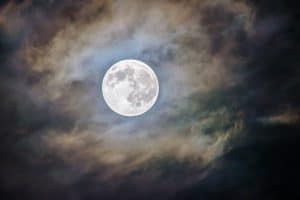
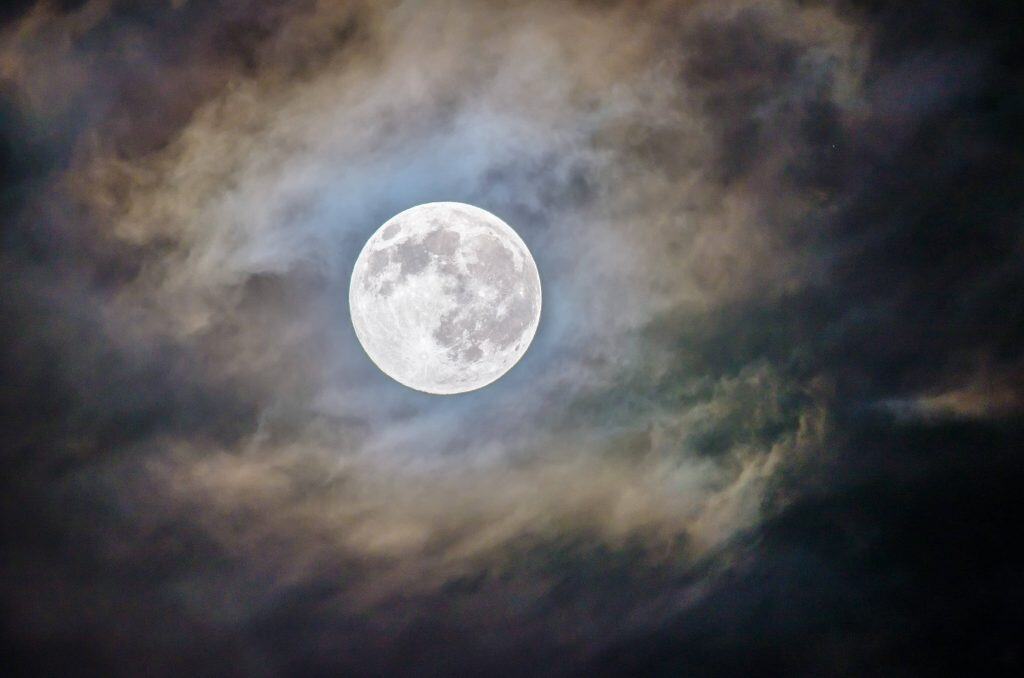
Yet another narration suggests that it could be on a night when the moon is especially bright. Abu Hurairah, a companion of the Prophet, recalled: “We were talking about Laylat al-Qadr in the presence of [Muhammad] and he said, ‘He who amongst you remembers [the night] when the moon arose and it was like a piece of a plate?’”
Muslims are encouraged to increase prayer and worship in the final 10 nights. Many will stay up into the early hours to increase in prayer, supplications, and recitation of the Quran. Some charities also permit automated payments specifically catered for the final 10 days of Ramadan so Muslims may multiply the potential goodness of their charitable donations.
Extra prayers, including special night prayers such as Qiyam (voluntary prayers between the final night prayer Isha and the morning prayer of Fajr) and Tahajjud (a form of night prayer especially recommended in the last third of the night) are also performed in the darkest hours of the night. These times of the night are considered more blessed, with a closer connection between believers and Allah.
Remembrance (dhikr) through the repetition of words such as Subhan’Allah (Glory be to God), Alhamdulillah (All praise is for God) and Allahu Akbar (God is the greatest) can also be recited using rosary beads or counters.
Itikaaf is also observed in the final 10 days of Ramadan. This practice of seclusion is when a Muslim goes to a mosque or other place and is shut off from contact with the outside world so they may intensify their acts of worship and consciousness of God.
The Prophet Muhammad also provided the Muslim community with a special supplication for the Night of Power, which translated reads: “O Allah, You are All-Forgiving, and You love forgiveness, so forgive me.”
Overall, Muslims will search for the night, and increase in worship and remembrance in the final 10 days, hoping that the veils between themselves and their Lord is thinner, and that their supplications may be heard.
For many Muslims the night is the most important one in the Islamic calendar. While Muslims believe that the entirety of the month is blessed, there is a special sacredness to Laylat al-Qadr. The focus is on strengthening the bond between the believer and God through acts of worship and goodness.