World Watch List charts increasing Christian persecution in 2025
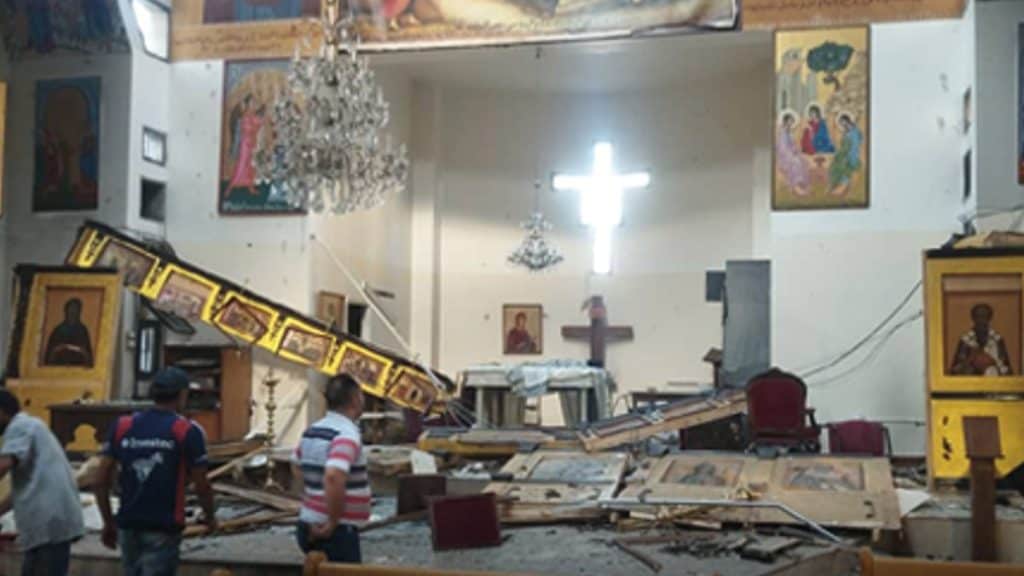
The Christian organisation “Open Doors” has published its annual “World Watch List”, showing the extent of Christian persecution across the globe in 2025. It scores countries on freedom of religion in private, family, community and national spheres of life, the ability to gather together and the extent of violence against them. Data is collected from grassroots contributions, questionnaires and independent analysis. Its conclusions are that more than 388 million Christians face high levels of persecution and discrimination, which is eight million higher than 2024, and 4,849 Christians were killed because of their faith, mostly in Nigeria. The report lists 50 countries with high and extreme levels of persecution – the top ten are North Korea, Somalia, Yemen, Sudan, Eritrea, Syria, Nigeria, Pakistan, Libya and Iran. It says the situation in Syria worsened dramatically last year, moving the country from 18th to 6th place in the table, with reports of surveillance and violent attacks on buildings and people. Nigeria has been in the top ten of worst offenders since 2021 and the report blames ethno religious hostility, Islamist militancy, weak governance and organised crime. North Korea has retained its top position, with the report saying the country has “zero freedom of religion or belief”. The report urges the government to address Christian persecution through integration into the work of the Foreign, Commonwealth and Development office, and wider human rights advocacy. The government’s freedom of religion and belief strategy identifies ten priority countries: Afghanistan, Algeria, China, India, Iraq, Nigeria, Pakistan, Syria, Ukraine and Vietnam.
Crisis of freedom of religion and belief in Nigeria ‘persistent and entrenched’
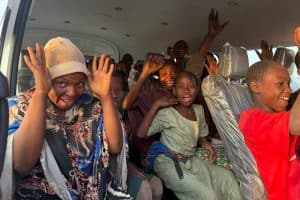
MPs debated freedom of religion and belief (FoRB) in Nigeria on Tuesday, during an adjournment debate called by David Smith, the UK Special Envoy of FoRB. He told MPs that the FoRB crisis in Nigeria is persistent and entrenched, with violence in the north and the middle belt a way of life for Christians, Hausa Muslims, those of traditional belief systems, humanists and others. He said it is partly about violence, but also about legal suppression of freedoms at the state level, and it is a multi-faith crisis which must be addressed: “a flourishing Nigeria, built on the common good is good for us all, but that is sadly some way off”. Several MPs spoke in agreement including the former Foreign Secretary Jeremy Hunt, who commissioned the Truro review into Christian persecution. He said it was vital that British foreign policy makes space for those without a voice, such as Christians in Nigeria, and that efforts should be redoubled. Hansard report of the debate here.
Government ‘should U-turn’ on proposed Islamophobia definition
A Policy Exchange report says leaks of a proposed re-definition of Islamophobia as “anti-Muslim hostility” would make it more dangerous. The government has set up a working party to come up with a new definition of Anti-Muslim Hatred/Islamophobia, seeking advice on “appropriate and sensitive language to describe, understand and define unacceptable treatment, prejudice, discrimination and hate targeting Muslims or anyone who is perceived to be Muslim”. The definition has still not been published, but the Policy Exchange report, citing leaks of what it might contain, says: “A definition of ‘anti-Muslim hostility’ is, in fact, at least as broad and dangerous as one of ‘Islamophobia’, possibly more so. And because the term lacks (for now) the same negative political connotations, it is also more deployable by activist groups”. In an endorsement of the report, Baroness Kishwer Falkner, former chair of the Equality and Human Rights Commission, said: “I welcome this valuable report and agree with it that the proposed definition is even worse than anticipated. It is dangerous and divisive. That it will become a free speech and thought control problem is immediately evident. If there is one policy that cries out for another government U-turn, it is this.” She has written a comment piece on this in The Times here
CofE same sex blessing services and LGBT+ clergy marriage decisions delayed
Church of England bishops have proposed that decisions on standalone services for same-sex blessings, and on whether clergy may enter same-sex marriages, should be considered through a new process over the next two years. The proposals follow the conclusion of the Living in Love and Faith (LLF) programme, which ends in February after nine years without reaching consensus on same-sex relationships within the Church. In October, the bishops said that standalone services of blessing would require a two-thirds majority in the General Synod, while permitting clergy to be in same-sex marriages would need specific legislation. At their meeting this week, the bishops agreed to establish a working group to undertake the necessary theological and legislative preparation on both issues, with recommendations to be brought to the General Synod by 2028. In the meantime, same-sex couples may continue to receive prayers of blessing within regular services. The bishops ruled out creating a parallel system of bishops for those who dissent from any final decisions, but said further work would be done on pastoral provision. LGBT+ clergy expressed disappointment at the proposals, particularly that no progress will be made at the General Synod meeting in February. The bishops said they “recognise and regret” the deep hurt caused by the LLF process, which raised and dashed hopes and contributed to significant division within the Church. Statement and press release here. Church Times article here
Call for BBC to strengthen commitment to religious broadcasting
The chairman of Sandford St Martin Trust, Tony Stoller, says they want to see “a new and strengthened commitment by the BBC to commission and make available a significant quantity and quality of content that reflects the full diversity of the UK’s faith and belief communities; and formal opportunities for representatives of these faith communities to participate meaningfully in the public consultation as part of the Charter Review”. In a newsletter to supporters he said that the amount of time and funding devoted to religiously literate and unbiased coverage of religion in broadcast programmes had plummeted over the last decade and this was “likely to accelerate following the passage of the 2024 Media Act” which removed obligations to provide these programmes. He said: “With the BBC’s Charter renewal process now in full swing, the battle for the future of this sort of programming is well and truly on”, and the Trust is “lobbying hard to ensure the BBC’s obligations to represent the UK’s diverse belief communities are reinstated at the heart of the BBC’s Charter requirements”. He is urging supporters to take part in “this essential task”, giving links to the information about the government’s reviewand publicconsultation for the BBC’s Charter renewal.
The Sandford St Martin Trust gives annual awards for programmes exploring religion, belief, ethics or spirituality. This year there are four categories: Journalism, Radio / Audio, Television / Video and Young Audience, and the deadline for entries is 30 January. Details here
Franklin Graham calls for prayer as streets ‘boil over’ with hate
The American evangelist, the Rev Franklin Graham, has called on Americans to join him in a “time of prayer and repentance” as the nation faces unrest. In a post on X, he said: “If you think our nation is in trouble now, just wait.. As our streets boil over with hate, anger, crime, drugs, and just sheer hopelessness, is there something we can do? You bet there is. As a nation, our sins are so great. We have increasingly turned our backs on God and His commands, embracing godless secularism. We need to ask His forgiveness and seek His face.” He urged people to pray for leaders and for calm on the streets: “Ask God to use His church to be instruments of peace in this time of great uncertainty.” In another statement he said it was tragic that Renee Good was shot dead in Minneapolis, but it served as a warning to obey law enforcement. His many subsequent media interviews are on his X feed here.
Bid for choral evensong to be given world heritage status
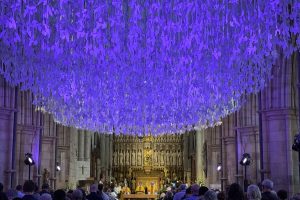
The Telegraph reports that campaigners are pushing for choral Evensong to be given world heritage status. The campaign includes charities led by the Cathedral Music Trust, which says that the listing would help to ensure this Christian choral tradition is recognised as an art form of “global significance”. The article says it’s hoped that “raising English sacred music to a Unesco-recognised cultural practice will reflect its global importance, and also encourage UK authorities to do more to protect the tradition”. Story is here