By Maira Butt
In a climate of polarisation and division, Bradford Literature Festival, the country’s most diverse literary event, returns to West Yorkshire and runs until 12 July. The city has long been described as one of the most eclectic and multicultural in the UK.
The festival has baked this global approach into its programme and rooted it in a local spirit. It comes at a time when diversity and multiculturalism have been in the crossfire of the most intensifying and heated debates.
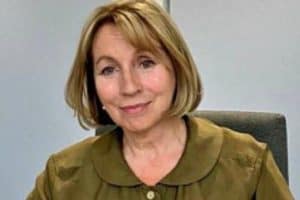
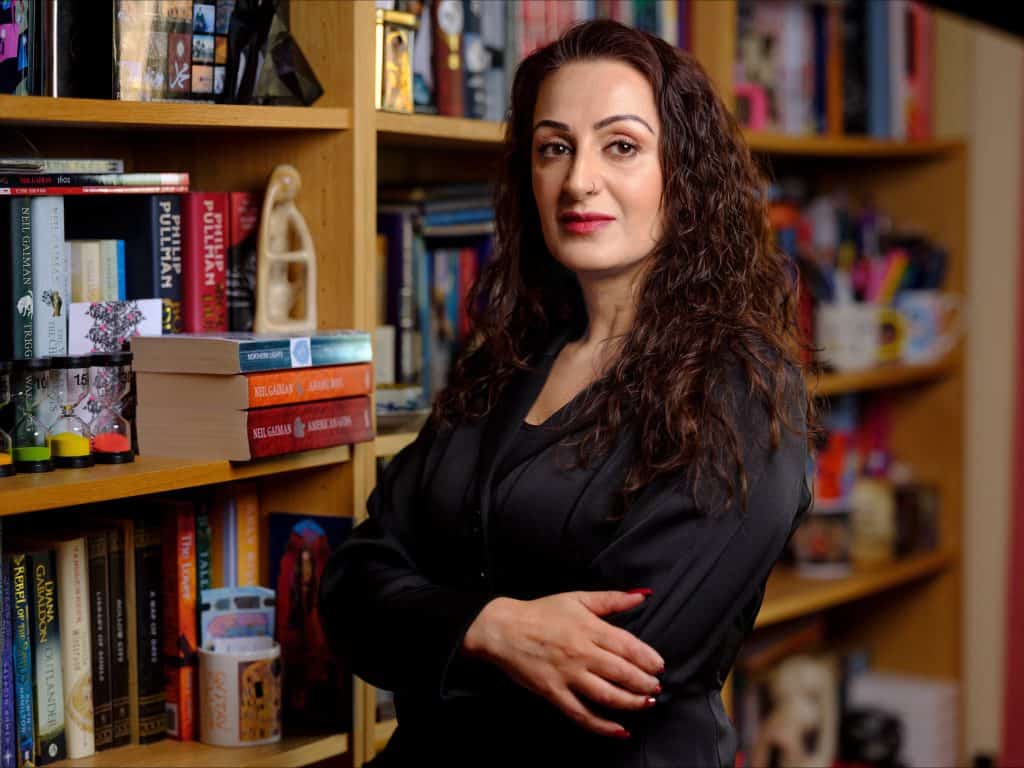
Syima Aslam, the festival’s chief executive and artistic director, describes cultural work as a “civic duty” in these times, rather than a frivolity. “It is vital,” she told the Religion Media Centre. “Hate thrives when people are reduced to labels, headlines or caricatures.
“Culture is a crucial part of civic infrastructure because it shapes how we see one another and the world around us — from what we eat and how we dress, to the media we consume, the histories we inherit and the politics we ascribe to.”
In that spirit, the 2026 programme, just like its predecessors back to 2014 when the festival was founded, includes a 10-day programme that covers subjects ranging from world affairs, global and domestic politics to mysticism, psychology and children’s literature.
Uniquely it also includes much programming around Islam, a faith regarded as being traditionally sidelined to topics of extremism or international affairs through a “problematised” lens. Instead, Ms Aslam says the event draws on its Muslim community to tread the fine line between an event that is solely faith-based and one that alternatively alienates Muslims.
“We do have specific faith programming around Islam, and that is intentional. Bradford has one of the largest Muslim populations in the country, so Muslim life, thought and culture are part of the city’s everyday landscape.
“But I think there is also a wider point. Many events that are perceived as ‘Muslim events’ are actually about world affairs, politics, history or society. Muslims are often at the centre of national and international headlines, and that is reflected when we discuss the world we live in.
“We also look across a much wider spectrum of experts, writers and thinkers on many platforms, so Muslim voices appear across the programme — not because they are Muslim, but because they are brilliant contributors.”
The events include: The Heart as a Site of Knowledge, by Shaykh Habib Ali Zaenal Abidin; Black History and the Forgotten Worlds of Islam by Shaykh Mustafa Briggs, drawing on his lecture series on intellectual traditions and civilisations often left on the margins; and Peter Sanders and Remona Aly on The Art of Contribution: Muslim Pioneers in the Land of Opportunity.
There are events on Muslim cultural history including on poet and scholar Jalāl al-Dīn Muḥammad Rūmī, a screening of the film Palestine 36, a Bollywood dance class, the launch for Muhammad Akram-Khan Cheema’s book The Heart of the Quran, a discussion on Iran, the Gulf and the new Middle East order, history talks on the Middle East, sound baths and activities for children.
Wider programming includes a star-studded lineup with Prue Leith talking about aging; Bafta-winning activist John Davidson on his critically acclaimed film I Swear; Green Party MP Hannah Spencer; Husam Zomlot, the Palestinian ambassador to the UK, on the future of the region in conversation with Humza Yousaf, the former Scottish first minister; Vince Cable on his new book Eclipsing the West; and the journalist Peter Oborne on reports of genocide in Gaza.
“Too often, Bradford is discussed through deficit or division, but the reality is far richer. To me, Bradford has always been the face of the future. It shows us what contemporary Britain looks like and what it might become,” Ms Aslam says.
“Culture and literature here are not decorative; they are tools for aspiration, belonging and community building. When people gather around books, ideas and shared experiences in Bradford, they are also gathering around questions of identity, citizenship and our common future.”
More than 50 per cent of the festival’s attendees are BAME (black, Asian, and minority ethnic), and last year 187,000 people came through its doors to enjoy 750 events involving 524 artists.
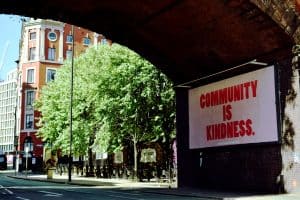
“Bradford Literary Festival was built with the specific aim of creating bridges between communities and giving people space to discuss points of difference in a thoughtful, nuanced way,” Ms Aslam added. “At a time of rising hate, polarisation and misinformation, that work is not soft or optional. It is essential civic work, rooted in listening, understanding and shared humanity.”
She believes its location in Bradford is intrinsic to its increasing success over the years, with 43 per cent of its population identifying as non-white British. And 12.4 per cent of the population aged three or older do not have English as a main language according to Bradford Council data. While minority groups are predominantly made up by Asian communities, black, Arab, and other mixed ethnicities are also represented in the figures.
“In my mind, Bradford is the most important place in Britain to be having these conversations. It is young, diverse, multilingual and deeply shaped by migration, faith, industry, creativity and resilience. Too often, Bradford is discussed through deficit or division, but the reality is far richer,” Ms Aslam says.
This is also reflected in the programme with events on the Brontës and Yorkshire literature often featuring. This year, Wuthering Heights Rediscovered: An Exhibition, celebrates the lost 1920 film adaptation of the Emily Brontë novel that was released in a modern adaptation by the Saltburn director Emerald Fennell last year.
“To me, Bradford has always been the face of the future,” Ms Aslam says. “It shows us what contemporary Britain looks like and what it might become. Culture and literature here are not decorative; they are tools for aspiration, belonging and community building. When people gather around books, ideas and shared experiences in Bradford, they are also gathering around questions of identity, citizenship and our common future.”
Audiences appear to agree with her. The festival received glowing reviews last year with 99 per cent of visitors surveyed saying they would recommend the event to others; 97 per cent believed the festival improved West Yorkshire’s national reputation; 90 per cent said it improved wellbeing and 72 per cent reported that they interacted with people from different ethnicities and social backgrounds at the event.
This year, the festival is due to pass one million visitors since 2014. At least 46 per cent of artists spotlighted or involved in the festival since then have come from diverse backgrounds as well as 49 per cent of attendees. More than 322,000 children and young people have also been involved and the event includes dozens of child-friendly events and activities.
You can find the programme for the event here.