Faith Minister promises to press Chancellor for interfaith support
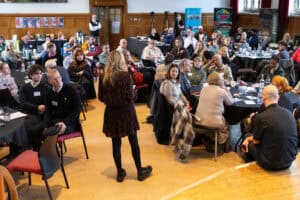
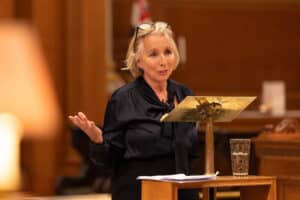
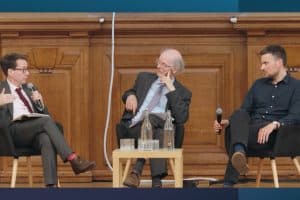
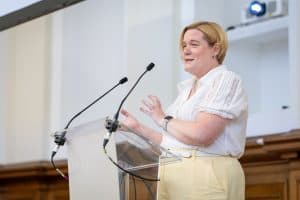
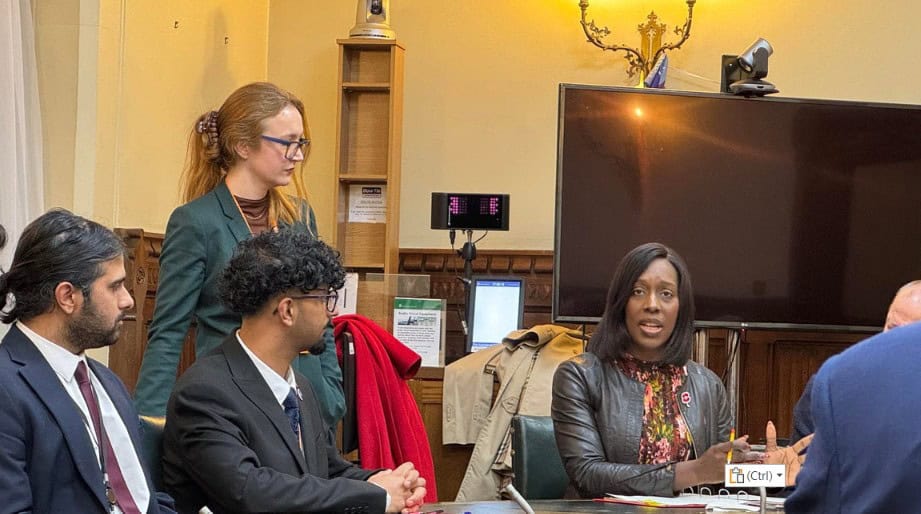
The Faith Minister, Florence Eshalomi, has promised that she will be “banging on the Chancellor’s door” for more funding for Inter Faith work, which she described as powerful and important, building the steps for community cohesion. She was speaking at a meeting in parliament last night, billed as an “Inter Faith drop in” for MPs to meet people engaged in activities during Inter Faith week.
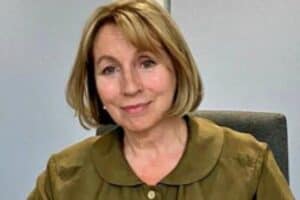
Carrie Alderton, CEO of the Faith and Belief Forum which organised the event, said professionals in the interfaith world, bringing people together from different faiths for shared activities and dialogue, are “delivering an essential civic practice day in day out” and the work now is incredibly difficult. She said colleagues have had death threats and been abused for staying in a room continuing to try to achieve a conversation, a task more difficult because of the hostile environment in society which promotes division. She urged the government “not to fund work that’s a novelty, but to enable long-term, multi-year funding to keep the work going and grow it with government support”.
The background is that the Inter Faith Network, which survived for 37 years, was supported by the government until Michael Gove’s department stopped the money in 2024. Since then, volunteers and representatives from across the interfaith sector, have reignited Inter Faith week through a national steering group, with events delivered by the United Religions Initiative UK and the Faith and Belief Forum, with funding from the Ministry of Housing, Communities and Local Government.
Ms Eshalomi, faith minister for just three months, said the more the interfaith activists continue to engage and share ideas, the more she and her officials will be able to discuss “what this work will look like in the future”. But she is in no doubt of the value of the work, recognising the “powerful partnerships” faith groups create, making a space to bring people together, and “shining a light on the values that bring us together, building mutual understanding, creating a positive space”, with conversations that can translate into policy.
Muslim and Jewish leaders unite for Armistice Day remembrance
Muslim and Jewish leaders, interfaith activists and young people from across Britain gathered at Lancaster House on Armistice Day for a remembrance event organised as part of Inter Faith Week. The Muslim and Jewish chaplains to HM Armed Forces led a service, with representatives of different communities. The meeting was backed by the Ministry of Housing, Communities and Local Government, and Secretary of State Angela Rayner said the day honoured the legacy of those who gave their lives in the war, by choosing to resist “every form of intolerance that seeks to divide our communities”. The Faith Minister Florence Eshalomi also attended and the event highlighted interfaith initiatives across the country against a backdrop of strained Muslim-Jewish relations following the 7 October attacks and wars in the Middle East, with rising antisemitism and anti-Muslim hostility in Britain. Speakers called for stronger government support for interfaith work, local partnerships, and efforts to tackle hatred and extremism. More here
Pope Leo XIV returns to his homeland, Peru
Pope Leo XIV has arrived in Peru, the final stop on his three-country South American tour, returning to the country where he spent more than 20 years as a missionary priest and bishop and where he has citizenship. Welcomed by President Keiko Fujimori, he was greeted by crowds celebrating the homecoming of “Padre Robert”, as he is affectionately known, with hundreds singing as they waited outside the presidential palace for his arrival. He will celebrate Mass in Lima, his former diocese of Chiclayo, and the Amazon city of Pucallpa, where he is expected to highlight the challenges facing Indigenous communities, including illegal mining, violence and poverty. His visit comes amid political instability and growing insecurity, with a quarter of the population living in monetary poverty. The Catholic population is reported to have fallen from 76 per cent in 2013-2014, to 67 per cent now, with a growing “non-religious” category including spiritual but not religious, or simply, nothing in particular. More background by the Associated Press here
Muslim Council of Wales celebrates 25th anniversary
The Muslim Council of Wales is celebrating its 25th anniversary today with an interfaith dinner and reception, and guests including faith leaders, civic and professional leaders and community representatives from across Wales. It was established around 2001, against the backdrop of Welsh devolution, to give Muslim communities a collective voice. It brings together mosques, Muslim associations and charities, representing their concerns to the Welsh Government and local authorities, while promoting interfaith dialogue, community cohesion, tackling discrimination and supporting Muslim organisations. According to the 2021 Census, there are 66,947 Muslims living in Wales, approximately 67,000, or 2.2 per cent of the population.