The Church of England is locked in increasingly bitter internal debate over LGBTQ+ issues and same-sex marriage. This is the culmination of decades of wrangling and discussion, which began more than half a century ago, with no clear resolution yet in sight
Introduction
In 2021, the Church of England published a report on sexuality, marriage and LGBTQ+ issues. Living in Love and Faith is the fruit of three years’ work by committees of bishops, clergy, scientists, historians, theologians and others, including representatives from the LGBTQ+ community.
It did not propose any change in the church’s official doctrines, but instead offered resources summarising the latest thinking on how the Bible, church tradition, and society understands flashpoints such as gay marriage or transgender rights. Living in Love and Faith marks the latest in a decades-long struggle within the CofE to decide how to respond to the rapidly changing social climate around sexuality.
1950s and 1960s
During the prolonged public debates about homosexuality, the church and its senior bishops, including Michael Ramsay, then Archbishop of Canterbury, supported the eventually successful efforts to decriminalise sex between consenting men, finally secured in the 1967 Sexual Offences Act. The church’s doctrine, however, remained as it had been for time immemorial: sex was permissible only between one man and one woman in a lifelong marriage – see below for change to divorce rules in 2002.
1970s
1973 Archbishop of Canterbury Donald Coggan tells BBC radio many of his clergy are homosexuals. “We must treat them with great sympathy and understanding,” he said.
1979 A report, Homosexual Relationships: A contribution for discussion (sometimes called the Gloucester Report after the bishop who led the working party) was prepared for the General Synod. It delved deeply and mostly sympathetically into the research around homosexuality as well as discussing the Bible’s approach, but was seen at the time as controversial and largely ignored by the wider church.
1980s
1987 In the midst of growing public debate about homosexuality, the General Synod passed a controversial private member’s motion, known as the Higton Motion after its evangelical sponsor, which stated “homosexual genital acts fall short of [God’s] ideal and are to be met by a call to repentance and the exercise of compassion”. The original motion from the Rev Tony Higton asked that clergy falling short of the ideal would not be appointed or be removed from office, but this wording was not passed.
1988 The once-a-decade Lambeth Conference of every Anglican bishop across the globe is held. It exposed the deep divisions within the Anglican Communion during discussions about gay issues. In its official report, it acknowledged the question remained “unresolved” and urged more scientific, psychological and theological study. “We continue to encourage dialogue with, and pastoral concern for, persons of homosexual orientation within the Family of Christ,” it concluded.
1989 Another report on homosexuality, the Osborne Report (requested by the bishops in 1986), was completed. This for the first time included the testimony of gay people themselves, but was suppressed.
1990s
1991 The House of Bishops published Issues in Human Sexuality, a landmark report that examined in detail the entire debate. It worked through the Bible and the Christian tradition on gender, marriage and sex, the origins of homosexuality, homophobia, and what to do with gay Christians already in the church. It concluded:
- Homosexuality is not an equal alternative to heterosexuality in the created order.
- Homosexual people are as valuable to God as any other.
- Gay Christians who choose to live celibate lives should be praised and respected.
- While the church cannot approve of gay Christians who choose to be in sexually active relationships, it should continue to offer friendship and understanding to them.
- However, this exception should not be extended to clergy, who “cannot claim the liberty to enter into sexually active” gay relationships.
- This does not mean bishops should rigorously try to investigate and expose any of their clergy who are in gay relationships.
1998 The next Lambeth Conference met in Kent and was gripped by debate over sexuality. Eventually the bishops voted through a resolution, known as Lambeth I.10, which:
- Upheld marriage as between one man and one woman.
- Committed the bishops to listen to gay Christians and assured them they are loved by God.
- “Rejected homosexual practice as incompatible with Scripture”.
- “Condemned irrational fear of homosexuals”.
- Opposed same-sex unions or any kind of blessing of them.
Lambeth Conference resolutions are not legally binding on member churches of the Anglican Communion.
1998 Shortly afterwards about 150 bishops, including eight primates (chief archbishop of each church), issued their own open letter to the LGBTQ+ community which pledged to work for their “full inclusion” in the life of the church. The bishops were overwhelmingly from western churches, mostly the United States, the UK, Canada and Australia.
2000s
2002 The Diocese of New Westminster in Canada (centred on the city of Vancouver) became the first Anglican polity in the world to offer services to bless same-sex unions. This was the first spark for a fierce civil war within the Anglican Communion over the issue.
2002 The General Synod said that divorcees, whose partners were still living, would be allowed to re-marry in church in “exceptional circumstances”, as decided by the priest. Clergy who disagree theologically wth this have an opt out clause. The decision followed years of debate on Bibblical texts and chruch tradition.
2003 In May, Jeffrey John, a gay priest in a long-term celibate relationship with another cleric, was announced as the next Bishop of Reading, a junior bishop within the Diocese of Oxford. There was a sudden backlash from conservatives, especially from overseas where some vowed to cut ties with the Church of England if the appointment went ahead. In an attempt to protect the unity of the Anglican Communion, the Archbishop of Canterbury Rowan Williams forced John to withdraw from the post.
2003 Shortly afterwards in August, the Diocese of New Hampshire in the United States chose Gene Robinson, who was openly gay and living with his partner, as its next bishop. This time the appointment did go ahead, despite another backlash. A large number of conservatives decided to split from the American church and start their own breakaway Anglican denomination, uniting with like-minded Canadians and some other smaller groups to form the Anglican Church in North America (ACNA). Over time more conservative Anglicans in places such as Africa and Australia built formal links and even consecrated “missionary bishops” within these breakaway churches.
2003 In October, Williams called all the primates from across the Anglican Communion to a meeting at Lambeth Palace to discuss the developments in Canada and the United States. They issued a joint statement reaffirming their commitment to staying together, but said the actions by New Westminster and New Hampshire had “threatened the unity of our own communion … in a world already confused in areas of sexuality, morality and theology”. The statement also said the Lambeth I.10 resolution from 1998 had “moral force and commands the respect of the communion as its present position on these issues”.
2003 In November, the bishops of the Church of England released Some Issues in Human Sexuality, which proposed no changes to doctrine on sexuality but did set out the variety of views within the church on the controversy. The document was framed as a study guide to help Anglicans “think through different aspects of gay, lesbian and transsexual relationships”.
2004 A commission asked by the primates to explore the fractures within the Anglican Communion reported back. Known as the Windsor Report, the document recommended:
- The American Episcopal Church should apologise for choosing Robinson as a bishop.
- Those who consecrated him should “consider in all conscience whether they should withdraw themselves from representative functions in the Anglican Communion”.
- The Episcopal Church must not appoint any other bishops in same-sex partnerships.
- All Anglican bishops worldwide should refrain from approving services for publicly blessing same-sex unions.
- Bishops in Canada and America who have authorised such rites should apologise and withdraw from taking part in wider communion work.
- Finally, it proposed each church in the communion introduced a shared “Anglican Covenant”, which would enshrine an obligation to consult Anglicans overseas when considering major changes to teaching or practice.
The Windsor Report was much criticised by liberal Anglicans, and plans to introduce the Anglican Covenant faltered several years later when, despite the backing of Archbishop Williams, the proposal was rejected by more than half of the dioceses of the Church of England, as well as conservative archbishops from the global south provinces.
2005 Following the creation of civil partnerships (most of the bishops in the House of Lords voted for the legislation), the bishops in the Church of England released a statement detailed their continued belief that sex and marriage were permissible only between one man and one woman. The church would not create a service to bless civil partnerships, but clergy could respond individually with prayers to a partnership if they deemed it to be within the church’s teaching (i.e. was celibate). Any priest wishing to enter into a civil partnership themselves had to promise their bishop they would not have sex. Lay Christians in civil partnerships would not have to promise the same before being baptised, confirmed or given communion.
2005 onwards Despite the church hierarchy holding to the traditional teaching, numerous clergy did enter into civil partnerships and some refused to pledge to be celibate. There were also fairly regular unofficial services held in churches to effectively bless same-sex unions up and down the country by priests — and sometimes even retired bishops — who disagreed with the rules. Often phrased as services of thanksgiving, these services would sometimes include language from the wedding service liturgy and symbols such as exchanging rings. Most bishops tended to look the other way rather than confront or discipline the rebel clergy conducting them.
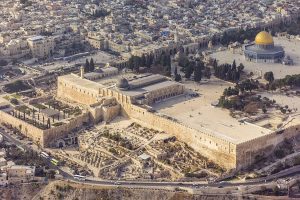
2008 The rift in the global Anglican Communion deepened after a conference was held in Jerusalem by dozens of conservative bishops and Archbishops, mostly from the global south. Called Global Anglican Future, the conference spawned a follow up movement of conservatives known as Gafcon which supported and promoted breakaway conservative Anglican churches in the more liberal countries, such as ACNA.
2008 Shortly after Gafcon Jerusalem, the next Lambeth Conference was held in England. Archbishop Williams decided not to invite Gene Robinson, largely over fears that if he attended, many of the Gafcon bishops would boycott the meeting. Some prominent and senior conservatives still refused to attend because other American Episcopal bishops were present.
2010s
2010 Mary Glasspool, another gay, partnered bishop, was appointed in the United States. A handful of others in America and Canada have since also been appointed.
2013 Yet another report commissioned by the House of Bishops on sexuality is published. The Pilling Report once again explored issues around sex, marriage and homophobia but did not represent any new policy or doctrine by the church. Instead, it recommended clergy should be allowed to offer public services to “mark” same-sex relationships. It said the CofE’s current teaching was “deeply off-putting” to non-believers and called for several years of “facilitated conversations” between both sides in the church to discern a way forward.
2014 Same-sex marriage is legalised in England. The law included a provision which made it illegal for the Church of England to opt in to marry same-sex couples, unlike other denominations. It also had protections to stop clergy who declined to marry a gay couple from being sued for discrimination. A small number of gay CofE clergy nonetheless entered civil same-sex marriages in defiance of the rules.
2014-16 About 700 clergy and laypeople across the CofE took part in the “shared conversations” called for by the Pilling Report. These saw small groups from each diocese spend a weekend at a time at a hotel or conference centre being led through discussions on sexuality by professional facilitators to understand better each side’s position. The General Synod held its own shorter version of this in 2016 too.
2015 The Episcopal Church in the US became the first Anglican Church in the world to permit gay marriage formally. They have since been followed by the Canadians and the Scottish.
2016 Another primates’ meeting ended with agreement to sanction the Episcopal Church lightly for allowing gay marriages by barring them from internal Anglican Communion decision-making bodies for three years.
2016 The Bishop of Grantham, Nicholas Chamberlain, became the first English bishop to come out openly as gay. He said he was living with his partner in a celibate relationship, in line with the church’s teaching.
2017 In response to the shared conversations process, the House of Bishops concluded there would be no change to the church’s doctrine on sex or marriage. It called for a new teaching document to be produced by the bishops offering guidance on same-sex relationships, aiming to allow “maximum freedom” without changing doctrine. However, when this proposal was presented to the February General Synod to “take note” of, it was unusually voted down following a successful campaign by pro-LGBTQ+ Christian groups.
2017 In response to this, the archbishops ploughed on with the creation of a teaching document, although it was tweaked to become not a proposed solution to the division on sexuality, but instead a series of resources on theology, sociology, history and science to help the church understand the issues properly. A parallel process would also produce pastoral guidelines to shape how clergy and parishes could care for LGBTQ+ people within the existing doctrine.
2017 Minor skirmishes between the conservative and liberal wings of the church continued at the next July synod meeting. The affirming-LGBTQ+ faction landed a few blows by securing passage of two motions: one condemning “conversion therapy” for gay people, and another calling for a special liturgy to mark gender transition.
2018 A minor row occurred when the House of Bishops responded to that synod motion with guidelines explaining instead how parishes could adapt a liturgy to mark a person’s gender transition. Some liberals were upset that the bishops had not created a new service, while conservatives objected to the bishops’ claim that this represented no change in teaching on gender, and the evangelical Bishop of Blackburn, Julian Henderson, who led the presentation of the guidelines, later apologised and repudiated them.
2019 It was announced gay bishops would be invited to the next Lambeth Conference, to be held in the summer of 2020, but their spouses and partners would not be, unlike the spouses of straight bishops. This was due to fears their presence would cause a widespread boycott by conservatives.
2020 After a delay caused by the coronavirus pandemic, Living in Love and Faith was finally published in November, just before the next meeting of the General Synod. Although it did not present any recommendations on policy, it is expected to inspire the next round of debate on the CofE’s teaching on sexuality. Church of England churches were encouraged to undertake a short course of study based on the Living in Love and Faith materials during 2021 and 2022
2022 April: Bishops announced new proposals and the setting up of a working group to explore gender identity and transition
2022 May: Church of England Evangelical Council produced film How Important Are Our Differences? saying Christians cannot simply agree to disagree on issues of sexuality because they are of eternal significance. This was one of a series of five films charting the depth of theological division.
2022 August: Justin Welby addressed the Lambeth Conference of global Anglican bishops stating the obvious, that the Communion is deeply divided over same sex issues. His speech was seen as a watershed moment, accepting the validity of both sides within the Communion. Resolution I:10 from 1998, which bans same-sex marriage, remains in place
2022 September: Document published summarising feedback on Living in Love and Faith from consultations with church members. This starts the final stage of the process as bishops discuss the results
2022 October: Bishops met representatives from 21 LGBTQ inclusion groups at Lambeth Palace
2022 November: House of Bishops discussed the LLF consultation to start deciding their response
2022 November: Dr Steven Croft, Bishop of Oxford, in his document “Together in Love and Faith”, called for an end to the ban on same sex marriage, followed by Bps of Worcester and Dudley.
2023 January: Bishops produced proposals for the General Synod suggesting same sex marriage should continue to be banned, but blessings for couples would be allowed. This pleased no-one
2023 February General Synod welcomed proposals for “Prayers of Love and Faith“, which would enable same-sex couples to come to church after a civil marriage or civil partnership to give thanks, dedicate their relationship to God and receive God’s blessing, in prayers designed to be used within existing services.
2023 May: “The Alliance” a self described informal network of conservatives in the CofE including the Church of England Evangelical Council, Church Society, the HTB Network, Living Out, Myriad, New Wine, ReNew and Forward in Faith, organised and started campaign of open letters to the bishops in protest at same sex blessing proposals, with talk of parallel structures and witholding of money
2023 July: General synod given update on working groups discussing same sex blessings. It was a presentation of ideas and no votes were taken.
2023 July: Eleven CofE organisations in “The Alliance” wrote to the bishops saying the move to allow same sex blessings should be approved by a two thirds majority in the Synod under the rule “Canon B2”.
2023 9 November: GAFCON ended meeting in Uxbridge offering “right hand of fellowship” and support to all bishops, clergy and laity who oppose same sex blessings
2023 14/15 November: The General Synod backed a plan to hold standalone services of blessings for same-sex couples on a trial basis. But the church was asked to hold back from standalone services until a registration process was in place for churches wanting to use them. The close vote showed the synod was deeply divided, passing by just four votes in the House of Laity. Bishops promised further work on whether the church’s doctrine of marriage is affected by these services., revised pastoral guidelines for those who disagree and new structures to keep the divided church together.
2023 11 December: A letter was written to the bishops from The Alliance, appealing for the prayers to be delayed until pastoral guidance has been issued for those who oppose same sex blessings and cannot accept authority of bishops with whom they disagree
2023 12 December: The bishops said prayers of blessings can be used from Sunday 17 December
2024 25 January: The bishops of Newcastle and Leicester took over from the Bishop of London as the newly appointed leaders of the Living in Love and Faith Process. They announced that a “reset” was needed to resolve differences and said the February synod would be asked to commmit to examine legal safeguards and structures to prevent opponents leaving the Church of England.
2024 1 Feb: Bishop of Newcastle, Helen Ann Hartley resigned as co chair of the LLF process, after a theology adviser to the bishops was appointed without consultation. He was Rev Dr Thomas Woolford, associated with the Church Society. The Bishop of Leicester, Martyn Snow, continued in his role as co-chair. An extra theological adviser was appointed. There was a promise to include more bishops in the ensuing discussions.
2024 14 March: The Church of England Evangelical Council set up the Ephesian Fund, whereby churches opposed to same sex blessings give their “parish share” to the fund and not the diocese, with assurances it will be used towards the work of like minded “orthodox” churches. The “parish share” is a parish’s contribution to central costs and supports parishes which cannot pay for their own minister.
2024 20 May: The Church Times reported on a confidential CofE document suggesting that stand-alone services of blessing for same-sex couples could move forward without synod authorisation, or introduce them by region with new structure of bishops for those who disagree.
2024 24 May: A meeting of global Anglican primates in Rome “indicated a shift away from conflict” according to one participant. After conflict and talk of splits, there was reportedly an acknowledgment that reconciliation was not about agreement, but asking how much reconciliation could be achieved.
2024 6 June: The Alliance wrote to bishops saying if the synod went ahead with same sex blessings “we will have no choice but rapidly to establish what would in effect be a new de facto “parallel Province” within the Church of England”
2024 13 June: A three-paragraph statement summing up a meeting of the Church of England bishops, said they heard updates on continuing discussions over the Living in Love and Faith Programme, and voted to continue to explore proposals.
2024 4 July: The Bishop of Oxford, Steven Croft, strongly objected to the letter from “The Alliance” threatening to set up an alternative “province” in opposition to same sex blessings. In a blog he said the proposal from “The Alliance” group, which includes Holy Trinity Brompton, was deeply unhelpful and misleading, hurt many people and deployed “doom laden and catastrophising language”.
2024 9 July: The general synod of the Church of England voted to remove restrictions on using prayers for same-sex blessings in “stand-alone services”, alongside provision for those who disagree. Bishops approved it by 22:12; clergy 99:88; and Laity 95:92. Prayers of blessings are already allowed within other services such as evensong. Speakers warned it was a change of doctrine on marriage and predicted that the church would split. Working groups were set up on theology and doctrine, pastoral guidance, a code of practice for pastoral provision and a statement from the bishops, all of which will come back to synod in February 2025.
2024 10 July: The Church of England Evangelical Council said it would start a parallel province because of the synod decision.
2024 12 July: A service held at All Souls Church, London, appointed “overseers” to offer pastoral support to clergy who do not have confidence in bishops who disagree with them. It was organised by the Church of England Evangelical Council and allies.
2024 24 July: A service at St Helen’s Bishopsgate “commissioned” seven men to take on leadership roles in the CofE, widely seen as a quasi ordination, as they had hands laid upon them, and it was announced they would be trained in parishes and lead “informal family meals” where the death of Jesus would be remembered, sounding like the eucharist.
2024 15 October: The Bishop of Leicester Martyn Snow, leading continuing discussions on Living in Love and Faith, issued a video message urging the church to remain united
2024 October: Behind the scenes discussions are continuing among working groups and the Faith and Order Commission is working on whether and how doctrine can develop. All these streams of work will report to a synod meeting in February 2025 and will then be discussed by dioceses. The question of whether someone can be accepted for training for ministry, or licensed to a post, if they are in a same sex marriage (as opposed to a civil partnership), remains under discussion.
2024 November: The Archbishop of Canterbury, Justin Welby, resigned after an independent investigation found he failed to ensure that police were told about serial abuse carried out by the late John Smyth at Christian summer camps.
2025 January: Archbishop of York Stephen Cottrell, takes over leading the CofE after Welby resigned. He said the CofE “will consider introducing bespoke services” for same sex blessings, with provision for opponents, but not “in a way that further breaks the Body of Christ.”
2025 January: A statement issued after the bishops’ first meeting this year said proposals from LLF working groups were unliklely to be sufficiently developed for a vote in July. A delay would allow more time for consultation with diocesan synods. Synod would be updated in February
2025 January: “The Nairobi-Cairo Proposals” report from a global Anglican committee suggests reducing the centrality of the Archbishop of Canterbury in favour of a rotating presidency and broader leadership roles. This shift would distance an Archbishop leading a Church of England which accepts same sex relationships, from parts of the global Anglican communion which object. It would also open the possibility of appointing a woman to be the next Archbishop of Canterbury.
2025 February: Synod delays vote on how prayers and services of blessings for same-sex couples are to be implemented
2025 March: Conservative evangelicals in the Church of England (CEEC) organised two separate, alternative ‘Affirmation of Ordination Vows’ service, in place of the ‘Chrism Mass’, where priests renew their vows of ordination. This was in protest at moves to allow same sex blessings. One wa son zooom and the other at St James the Less, Pimlico.
2025 April: Dr Guido de Graaff was appointed as the new Deputy Theology Adviser to the House of Bishops.
2025 May: The Bishop of Guildford, Andrew Watson, argued that the decision over standalone services of blessing for same sex couples should not be taken by synod with a simple majority, but by using the “Canon B2 process” where a two thirds majority is needed.
2025 May: Two well-known clergy from central London – the Rev Dr Sam Wells of St Martin in the Fields, and Canon Lucy Winkett, of St James’s Piccadilly, wrote an open letter to the Church Times in response to moves from conservative evangelicals and traditionalists to form a separate province, withhold money from dioceses and appoint new lay leaders, in protest at same sex blessings. They asserted the validity of same sex relationships and the leadership of women
2025 June: The Bishop of Leicester, Martyn Snow, stepped down as lead bishop for the Living in Love and Faith process, saying he hoped it may yet be possible to reach an agreement, “but I don’t think that can happen under my leadership”.
2025 June: Former Archbishop Justin Welby spoke at Cambridge Union, making clear that he had changed his mind on same sex blessings: “When they fall in love, and when they live out that love faithfully and with stability and caring for others, it is a huge blessing for them and for society; and I have seen that in so many places that, in the end, even I began to realise that I was being thick.” The whole event is on YouTube here
2025 July: The Archbishop of York, Stephen Cottrell, addressed his diocesan synod saying that “if the church could find ways of living together with its conscientious disagreement, this will not only be good for the church, but good for the world”. The plan at this stage was for proposals for standalone same sex blessing services, together with reassurances for those who disagree; and a timetable for considering whether clergy can enter same-sex civil marriages, to be brought to the February 2026 synod.
2025 July: The Church of England confirmed there would be no replacement for Bishop Martyn Snow as a convenor of the LLF project.
2025 July: LLF not tabled for debate at general synod in York. Ap of York tells synod the programme director, Nick Shepherd, is moving to another job in the church in August. Only 17 of the 42 dioceses have held consultations. One synod member described the process as a car crash.
2025 July: Synod votes overwhelmingly in favour of binning the document “Issues in Human Sexuality”, written in 1991, which says clergy are not permitted to engage in sexually active same-sex relationships. Instead people should live by the “Guidelines for the Professional Conduct of the Clergy” which asks people to live lives of faithfulness, fidelity and holiness. CofE press release here
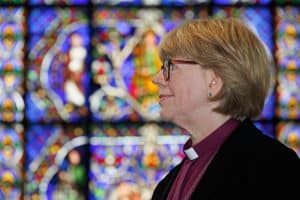
2025 October: Dame Sarah Mullally, Bishop of London, is appointed as the next Archbishop of Canterbury, the first woman to hold this position.
2025 October: Gafcon, the breakaway Anglican movement opposed to same sex relationships and women’s ordination, has declared that it is now the Global Anglican Communion, in opposition to the existing Anglican Communion, following the appointment of Sarah Mullaly as Archbishop of Canterbury.
2025 October: Canon Simon Butler, an influential vicar in “Inclusive Evangelicals”, says the Canons of the Church of England (Canon B5) do in fact permit stand-alone services. He has officiated at two in his church. Separately, Rev Dr Charlie Bavzyk-Bell and Canon Giles Fraser also said they would perform stand-alone services of blessing.
2025 October (6th – 8th): House of Bishops meeting. At a residential meeting, bishops acknowledged that they could not secure the necessary majorities in the general synod for further changes on issues of sexuality without causing extreme division. They agreed in principle not to proceed with bespoke services or clergy same-sex marriage and to pause Living in Love and Faith. Stand alone blessings woild be dependant on a two thirds majority in the general synod, and allowing same sex clergy to marry in civil ceremonies would require legislation.
2025 October: The Church Times reports that The Alliance has called for a day of action on 1 December, when clergy and PCCs are urged to contact their bishop saying they will withdraw from Church of England structures if same-sex blessings or married gay clergy are allowed.
2025 November: Bishop of Chelmsford, Guli Francis Dehqani, told her diocesan synod that LGBT+ people had been failed by the Church of England, after the bishops’ decision to pause the process and she regretted this bitterly. She couldn’t see any theological difference between Prayers of Love and Faith being offered in scheduled services and in bespoke services. She believed it would also be possible to make pastoral provision for same sex clergy couples
2025 December: Lincoln diocesan synod called on Church of England bishops to “proceed at pace” to implement stand-alone blessing services for same-sex couples. The proposers said delay was a failure of leadership.
2025 December: Seven thousand members of the Church of England signed an open letter expressing “deep disappointment” at the CofE bishops’ decision to pause the Living in Love and Faith process. It asked the House of Bishops to offer clear direction that honours the dignity of LGBTQ+ people.
2025 December (16th): Another House of Bishops meeting to finalise proposals. They decided to take more time to refine their position, noting the “deep hurt” caused by the earlier, in-principle decisions. Announced they plan to write a letter to the church summarising the direction of Living in Love and Faith, saying they “recognised the deep hurt, particularly to LGBTQI+ people as a result of their decision to pause the process. Gay clergy had criticised the announcement for showing no pastoral concern towards them.
2026 January: House of Bishops send a letter to synod members confirming that the LLF process would conclude in February, with future work focusing on a Relationships, Sexuality and Gender Working Group rather than immediate, comprehensive changes to marriage
2026 February: Church Times rpeorts that £10 million was given to the “Ephesian Fund” in 2025, a fund set up to allow churches opposed to same sex blessings to give money to the fund instead of to their local diocese. The Ephesians Fund then passes that money on to the relevant diocese, but only for the use of churches opposed to same sex blessings
2026 February: General synod holds five hour debate closing down Living in Love and Faith, but establishing two new working groups to discuss outstanding issues of stand alone services and same sex clergy marriages. Impassioned debate with tears and anger, and a determination by opponents to continue resisting.
first published July 2021 with research by Tim Wyatt
Last updated by RMC 21 October 2024
Last updated by RMC 13 February 2026