Catholic Bishop of Northampton charged with rape
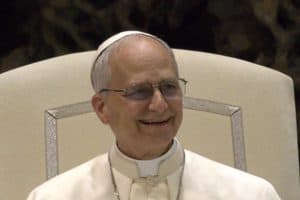
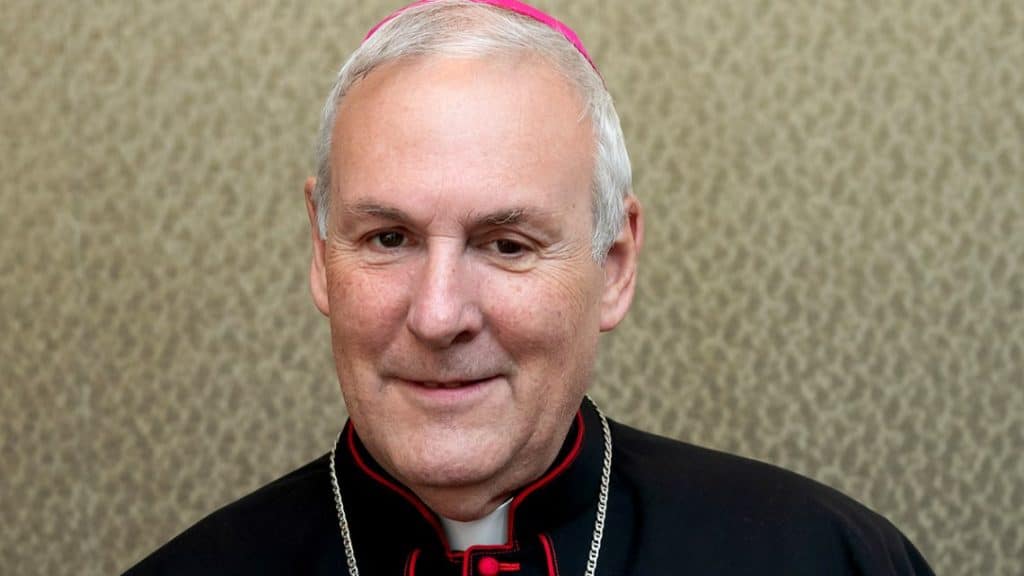
The Catholic Bishop of Northampton, David James Oakley, has been charged with two counts of rape against a female under the age of 16. The offences are alleged to have taken place in Staffordshire between February 2000 and February 2002. He was ordained in 1980 and became Bishop of Northampton in 2020. Staffordshire Police say the charges follow his arrest in September last year. Oakley, aged 70, is due to appear at Cannock Magistrates’ Court on 14 August. In a statement, the Catholic Diocese of Northampton said: “The Diocese of Northampton can confirm that Bishop David Oakley has been charged after an investigation into non-recent safeguarding allegations. We understand that this will be very distressing for all concerned but cannot comment further on an active legal process.”
Bishops join Time to Act campaign ‘to end illegal occupation of Palestine’
Bishops have come out in support of the “Time To Act” campaign, formed by churches and charities to demand “urgent action from UK Government to end illegal occupation of Palestine”. Demands include suspending UK arms sales to Israel, banning trade and investment in illegal Israeli settlements, suspending UK–Israel Trade & Partnership Agreement until the illegal occupation is ended, imposing wide-ranging sanctions and calling for accountability for war crimes. The campaign has been organised by the Just Peace Coalition including charities such as CAFOD and Christian Aid, and churches including the Methodists, United Reformed Church and Church in Wales. A film launching the campaign included a message of support from the Archbishop of York. Since the campaign launch, the CofE bishops of Gloucester and Worcester have issued statements of support. Bishop Jim Curry, lead Catholic bishop for the Holy Land, Catholic Bishops’ Conference of England and Wales, and Bishop Stephen Wright, Chair of Trustees, CAFOD have also voiced support.
Row over ‘appalling racism’ comment on Muslim prayers in Trafalgar Square
Education Secretary and Minister for Equalities and Women, Bridget Philipson, accused Conservative MP Nick Timothy of engaging in “appalling racism” for his comments about Muslims praying in large numbers in Trafalgar Square during Ramadan. She was responding to a question criticising the government’s new definition of anti-Muslim hate, which the Conservatives say will be used to shut down free speech. She said Nick Timothy’s comments on prayer were among “shocking examples of Muslims in our country being targeted on the basis of their faith”, and he should have been sacked. Nick Timothy called on her to withdraw the remarks and apologise, saying religious belief and racial identity are different things: “That’s what’s wrong with the ‘Islamophobia’ definition. It’s already being used to shut down free speech.”
Muslim prayer ‘Sujood’ more evident at the World Cup than ever before
Samir Jeraj, writing for Hyphen Online, says “the 2026 World Cup has had more Sujood moments than any previous tournament”. Sujood is the Islamic prayer movement involving kneeling and placing head and hands on the ground. He refers to the moment when Egypt beat New Zealand and celebrated with the entire team performing Sujood on the pitch, an act which represents humility before God and thankfulness. Listing a number of sports where players pray in thanks, Jeraj makes the point that the number of times it is happening at the world cup shows the “increasing diversity of western national teams that just a few decades ago would have been overwhelmingly white and Christian, but also models interfaith respect and cooperation at a time of polarisation — often within those same nations”. The article is here.
Denmark plans to ban the Islamic call to prayer in public places
The Telegraph reports that Denmark’s immigration minister has announced plans to ban the Islamic call to prayer, saying parts of the country feel like “a suburb of Islamabad”. This is the third such proposal, the most recent one was paused during the March general election campaign, but Morten Bødskov, a member of the centre-Left Social Democrat party, has revived the proposal. He told the news agency Ritzau that the call to prayer should not be heard as it has no place in Denmark. In some regions it is already banned due to laws on noise restriction.
Favourable views of Pope Leo in the US and among six Latin American countries
About eight-in-ten US Catholics express favourable views of Pope Leo, according to a Pew Research Center survey. The survey was conducted from May 26 to June 1, in the wake of public tension between Leo and President Donald Trump over issues including the conflict in Iran. 19 per cent say Leo has been too critical of the Trump administration while 16 per cent say he hasn’t been critical enough. Half of those surveyed (51 per cent) said Trump had been too critical of Pope Leo. The survey was of 9,750 US adults including 1,848 Catholics. Another Pew survey of six Latin American countries – Argentina, Brazil, Chile, Colombia, Mexico and Peru – found more than half in each country had a favourable view of Pope Leo, reaching 79 per cent in Peru where Pope Leo once worked. Some of the most negative ratings of Pope Leo are among Catholics in Chile (20 per cent unfavourable) and Mexico (18 per cent). The survey found that a substantial share of Catholics in both countries had not heard of Leo or did not give an opinion on him.
Southern Baptists’ ban on women pastors linked to view that women are ‘threat to church and country’
The US based Religion News Service reporter, Bob Smietana, has written an article examining why the US Southern Baptists moved from allowing a non-binding ban on women pastors at the turn of the century to this month’s decision to bar women from holding the office of pastor altogether. Some Baptist churches had permitted women to serve in pastoral roles connected, for example, with women’s ministry or children’s work. However, once these practices became more widely known, the denomination expelled some congregations that allowed women in such positions. Earlier this month, delegates to the Southern Baptist Convention voted by a two-thirds majority to oppose women serving as pastors full stop. Smietana argues that the shift reflects broader changes within conservative evangelicalism. He writes: “How and why that happened reveals a larger trend among conservative evangelicals and MAGA advocates, in which women are seen as threats to both the church and the country. It also reflects the way social media has transformed every local debate into a national controversy — and the way well-intentioned reforms can have unintended consequences.”